November 15, 2026
Fencing changes more than the edge of a property. Its material affects how that boundary looks, how much of the surroundings remains visible, and what kind of attention it will need over time. Wood, vinyl, aluminum, chain link, and iron each bring different qualities to those decisions. Understanding the differences helps property owners look beyond a preferred color or style.
An iron fence is distinctive because it can create a substantial barrier without the continuous surface of a solid privacy fence. Its individual pickets and rails also become part of the property's architectural character. Those features can be valuable, but they come with practical considerations involving exposure, upkeep, and access. The right choice depends on how those characteristics fit the space.
Strength Comes From More Than the Material
Iron's rigidity gives fencing a solid structural character. Unlike wood, it is not vulnerable to rot or insect damage, although it faces its own form of deterioration through corrosion. Aluminum is lighter than iron, so the two metals differ in weight even when their finished designs look similar. These differences matter when evaluating how a boundary will function over years of use, particularly where frequent activity makes resistance to damage a priority.
The strength of an iron fence still depends on its complete construction. Posts, connections, picket dimensions, and installation all influence performance, so the material name alone cannot establish how secure a particular design will be. A decorative boundary and a security-focused enclosure may serve very different purposes. Height and spacing affect the barrier a design creates, while ornamental details mainly contribute to its appearance. Professional design and installation connect the material's capabilities with the property's actual needs.
Decorative Details Can Shape the Entire Boundary
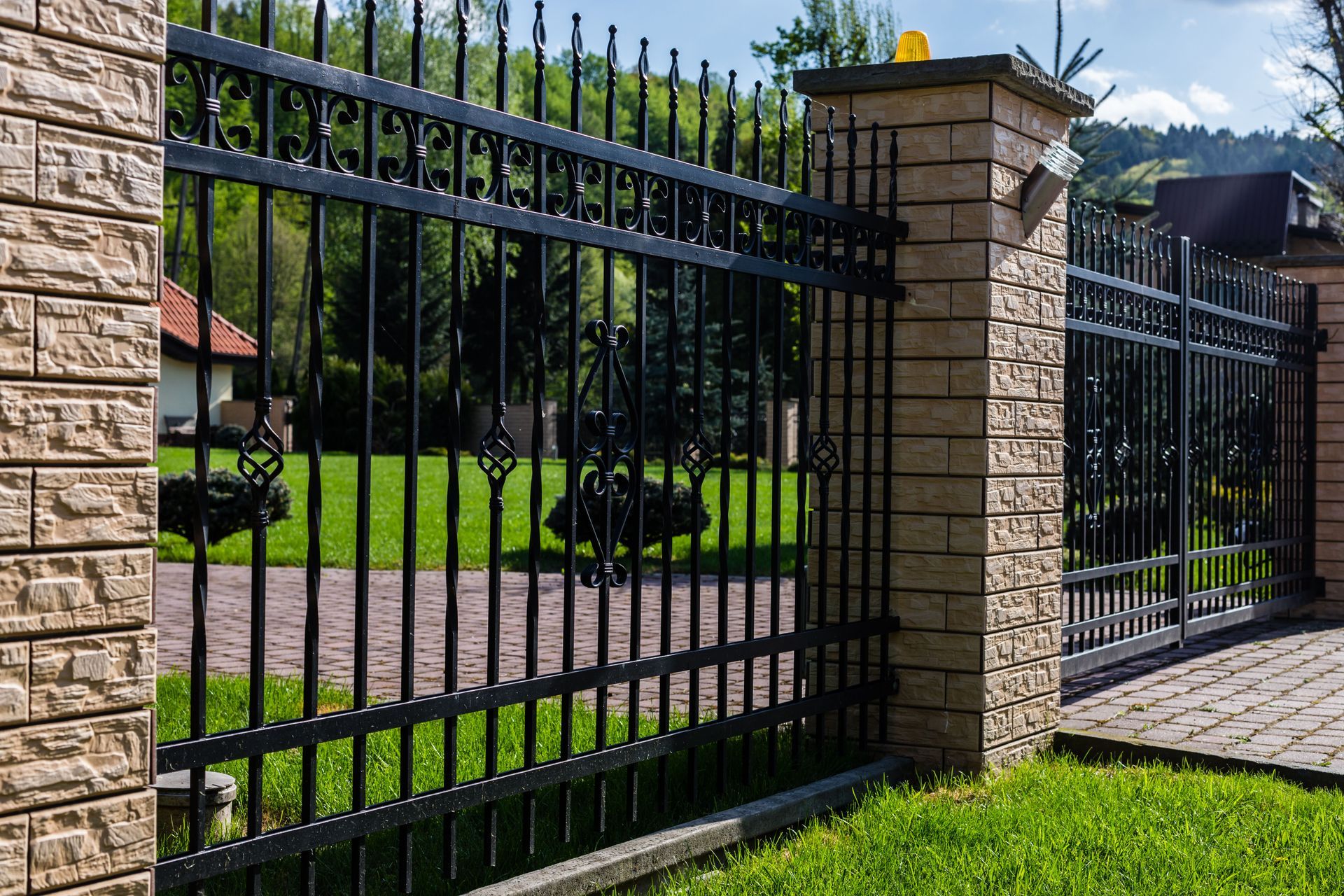
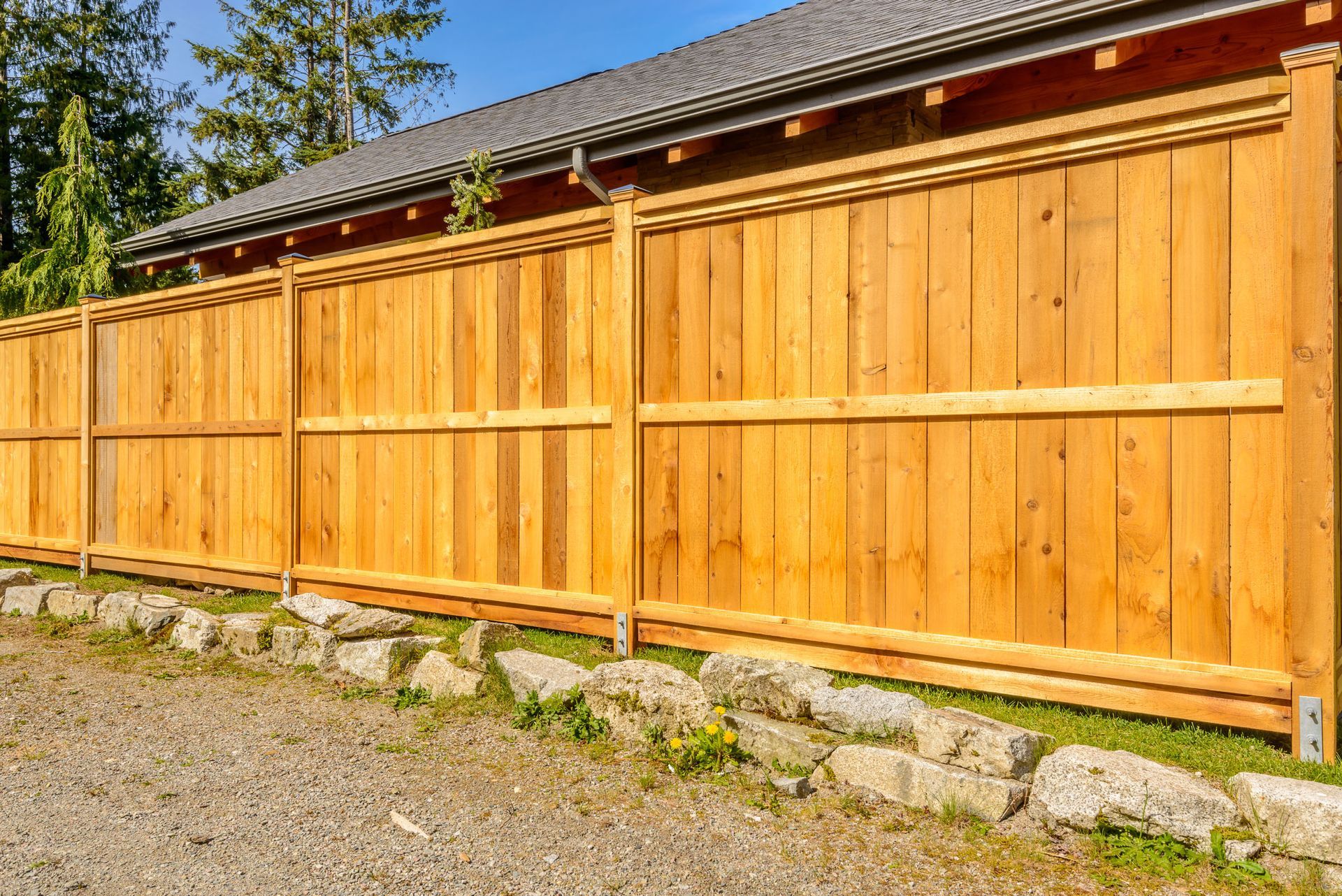
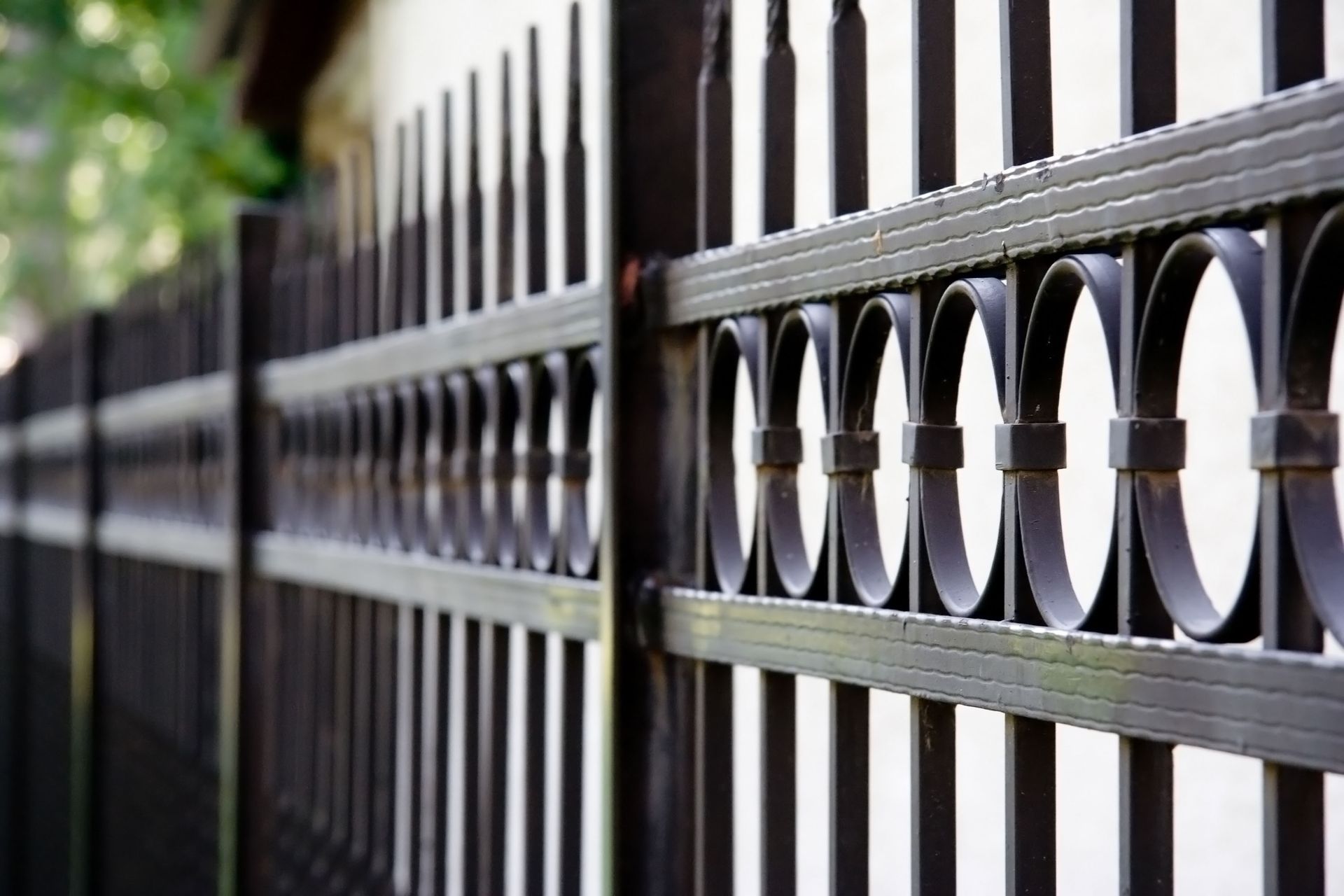
Wood fencing often creates its visual effect through boards, spacing, and the shape of the upper edge. Vinyl typically expresses a more uniform panel style, while chain link creates a recognizable mesh pattern. Iron offers another visual vocabulary through slender pickets, defined rails, decorative tops, and ornamental details. It can suit a restrained contemporary design as well as a more elaborate traditional setting.
Finials, scrollwork, and custom patterns can echo features already present on the building. Repeating a curve from an entryway, for example, can make the boundary feel connected to the architecture. Decoration also benefits from restraint, especially where the building already has prominent details. A clear design direction helps individual elements contribute to a cohesive appearance instead of competing for attention. Viewing the pattern across a full iron fence also helps reveal whether its proportions suit the scale of the property.
Open Views Change the Meaning of Enclosure
A boundary can establish separation without hiding everything behind it. The open spacing of an iron fence allows views through the property line, which can help preserve the relationship between a building and its surroundings. A front garden remains visible, and an entrance can feel defined without appearing closed off. This can be especially useful where views of planting beds or building details are part of the property's appeal. Chain link and some aluminum designs also provide visibility, although their visual character differs.
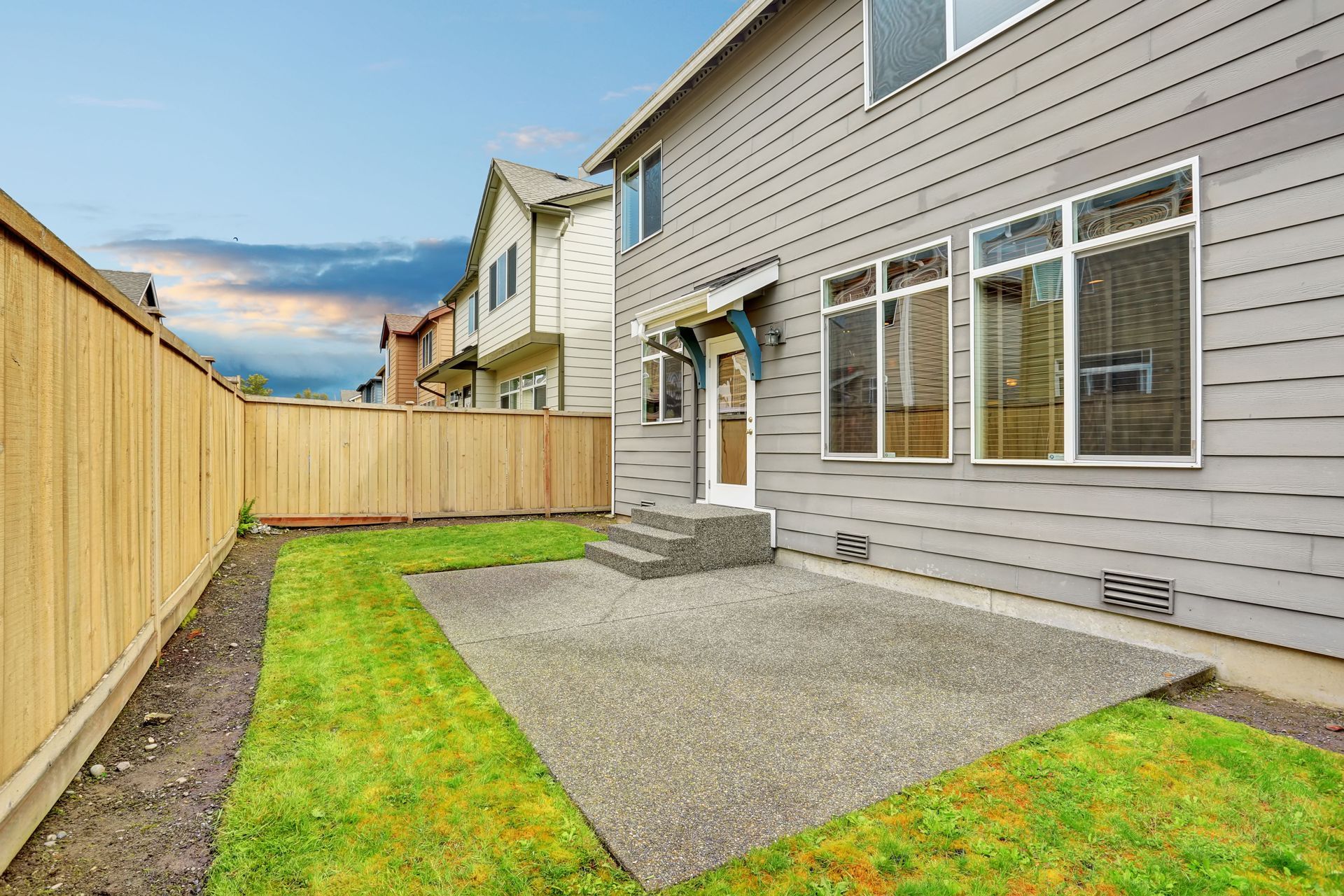
That openness is a meaningful distinction from solid wood or vinyl privacy panels. A see-through design does not provide the same screening from neighboring windows or passing traffic. Security and privacy therefore deserve separate consideration, even when both matter to the owner. Someone seeking a visible architectural boundary may value iron's openness, while someone whose main concern is concealment may find that characteristic less suitable.
Weather Affects Each Material Differently
Outdoor fencing continually encounters moisture, sunlight, and changing conditions. Wood can absorb moisture and develop rot, while iron's main material concern is rust. Aluminum does not develop iron rust, though its surfaces and connections still need appropriate attention. Even within one property, areas regularly exposed to moisture may age differently from sections in more sheltered positions. Exposure and finish condition therefore influence how a material ages and where maintenance may be needed first.
For an iron fence, protective finishes help limit contact between moisture and the underlying metal. When that protection deteriorates or becomes damaged, exposed areas deserve professional attention before corrosion spreads. This makes the condition of the finish relevant to both appearance and preservation. A fence may look sound from a distance while smaller problem areas are beginning to develop around joints or damaged surfaces.
Long Service Life Depends on Ongoing Care
Durability is best understood as a relationship between the material and the care it receives. According to HomeGuide, wrought iron fencing can remain in service for 50 to 100 years when properly maintained. That long potential lifespan makes upkeep part of preserving a lasting property feature. It also explains why early attention to deterioration matters, even when the overall structure still appears substantial. As an enclosure becomes a familiar part of a building's character, preserving its condition can maintain that visual continuity.
Maintenance needs differ from those of wood, vinyl, or aluminum because the materials deteriorate in different ways. Professional care for iron can involve evaluating rust, damage, and the condition of protective finishes. The appropriate response depends on what is happening to the specific installation, rather than a fixed assumption that all metal fencing needs identical treatment. Considering those responsibilities before installation gives owners a more realistic picture of long-term ownership.
Repairability Adds Another Dimension to Durability
Signs of wear do not automatically mean an enclosure has reached the end of its useful life. Localized damage and broader deterioration present different questions, and a professional assessment can distinguish between them. Repair and restoration may help preserve an iron fence when its condition supports that approach. Severe corrosion or extensive structural damage, however, can change what work is practical. For properties with distinctive ornamental details, preserving the existing design may be an important consideration alongside restoring the boundary's practical function.
Other materials can also be repaired, but the damaged components and methods differ. A split wooden board presents a different problem from a damaged metal connection or a broken vinyl panel. With iron, the goal includes understanding whether visible deterioration has affected the underlying structure. Restoration is most useful when it addresses that condition as well as the appearance of the surface.
Gates Must Work With the Boundary
Access points reveal how closely appearance and everyday use are connected. An iron fence may look continuous from the street, but its gate has to accommodate people or vehicles moving through it. Swing and sliding designs use space differently, making the area around an opening relevant to the choice. A sliding gate needs room along the boundary, whereas a swing gate needs clearance through the path of its movement. A suitable gate complements the enclosure while allowing the entrance to function comfortably.
Iron's weight also makes sound gate construction and support important. Matching decorative details can create visual continuity, but smooth operation depends on more than matching pickets or scrollwork. Professional gate installation brings those functional and visual considerations together. The finished entrance should make sense for how the property is used, whether that means a residential walkway or a commercial access point.
Choosing for the Property's Future
A material earns its place when its everyday behavior fits the way a property is used. Looking beyond the initial appearance makes it easier to choose a boundary that will remain appropriate as the years pass. At Linmoore Fencing & Iron Works, Inc, we bring those considerations into custom iron fencing design, installation, repair, and restoration. Contact us to discuss how an iron design could fit your property's needs.