October 23, 2026
Fences do more than define property lines. The right fence can add privacy, security, and curb appeal, but each material handles weather, maintenance, and everyday use differently. Considering these factors can help you choose an option that fits your property.
Wood, vinyl, chain-link, and ornamental iron each offer different benefits. The right choice depends on whether your priorities are privacy, visibility, security, appearance, or ease of maintenance.
Choosing Materials With Long-Term Performance
Material choice is one of the first things to consider when thinking about how well a fence will hold up. Wood, vinyl, chain-link, and ornamental iron give property owners several options based on their needs. Each material has different characteristics that can affect its appearance, maintenance requirements, and long-term performance.
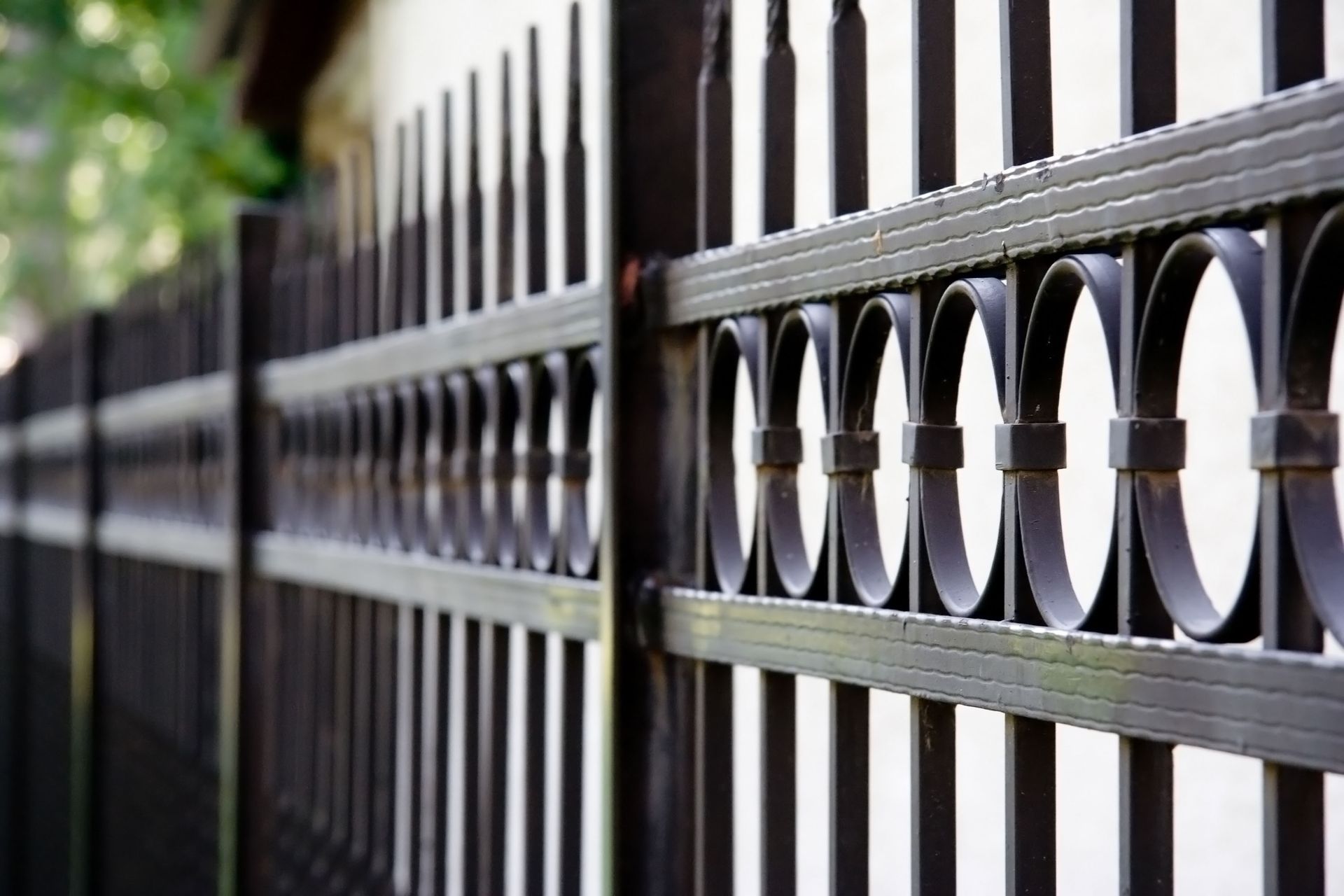
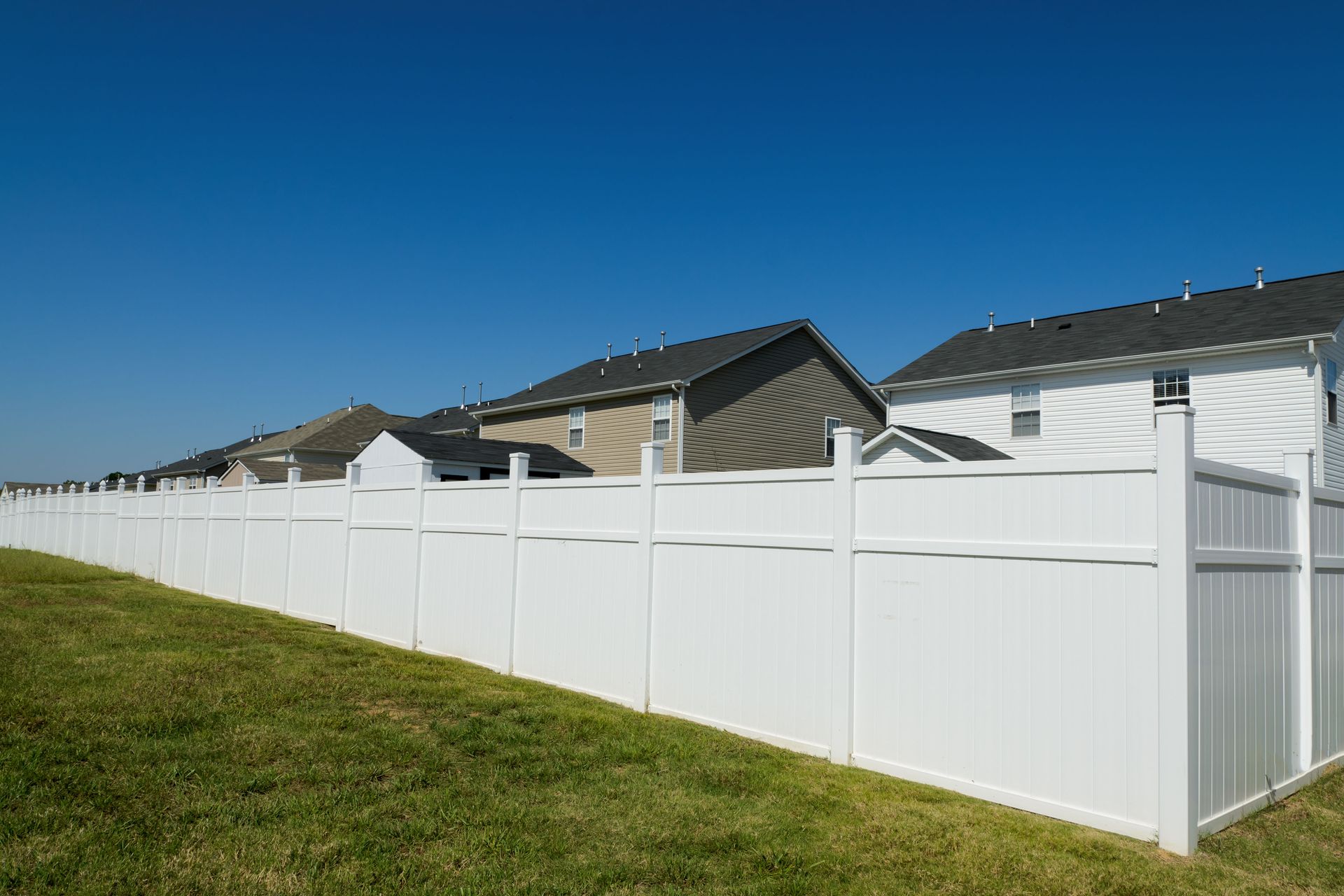
Wood can provide a traditional appearance and works well when privacy and a natural look are priorities. Vinyl offers another option for property owners who want a clean appearance with different maintenance considerations. Chain-link can provide a practical boundary, while ornamental iron can bring a more decorative appearance to a property.
The important thing is to avoid choosing a material simply because it looks good in a photograph. Think about how much privacy you want, how the fence will be used, and how much upkeep you are comfortable handling. When those details are considered from the beginning, it becomes easier to select a fence that fits the property for the long term.
Comparing Maintenance With Lasting Durability
Every fence requires some level of care, although the type and frequency of maintenance can vary considerably. Wood generally requires more attention to its finish and condition than materials designed to require less routine upkeep. According to Home Guide, fencing that is not 99% iron needs regular repainting and sealing to help prevent rust, highlighting the importance of protecting applicable fencing materials from moisture and exposure.
Regular inspections can also make a difference in how long a fence remains useful. Looking for damaged sections, loose components, worn finishes, or other visible issues gives property owners an opportunity to address small problems before they become larger ones. A security fence, for example, needs to remain structurally sound so that its intended purpose is not undermined by neglected damage.
Maintenance should also fit the specific material rather than following a one-size-fits-all routine. Understanding what the fence needs before installation can make future upkeep easier and help you plan for the costs associated with maintaining it.
Evaluating Privacy and Security Needs
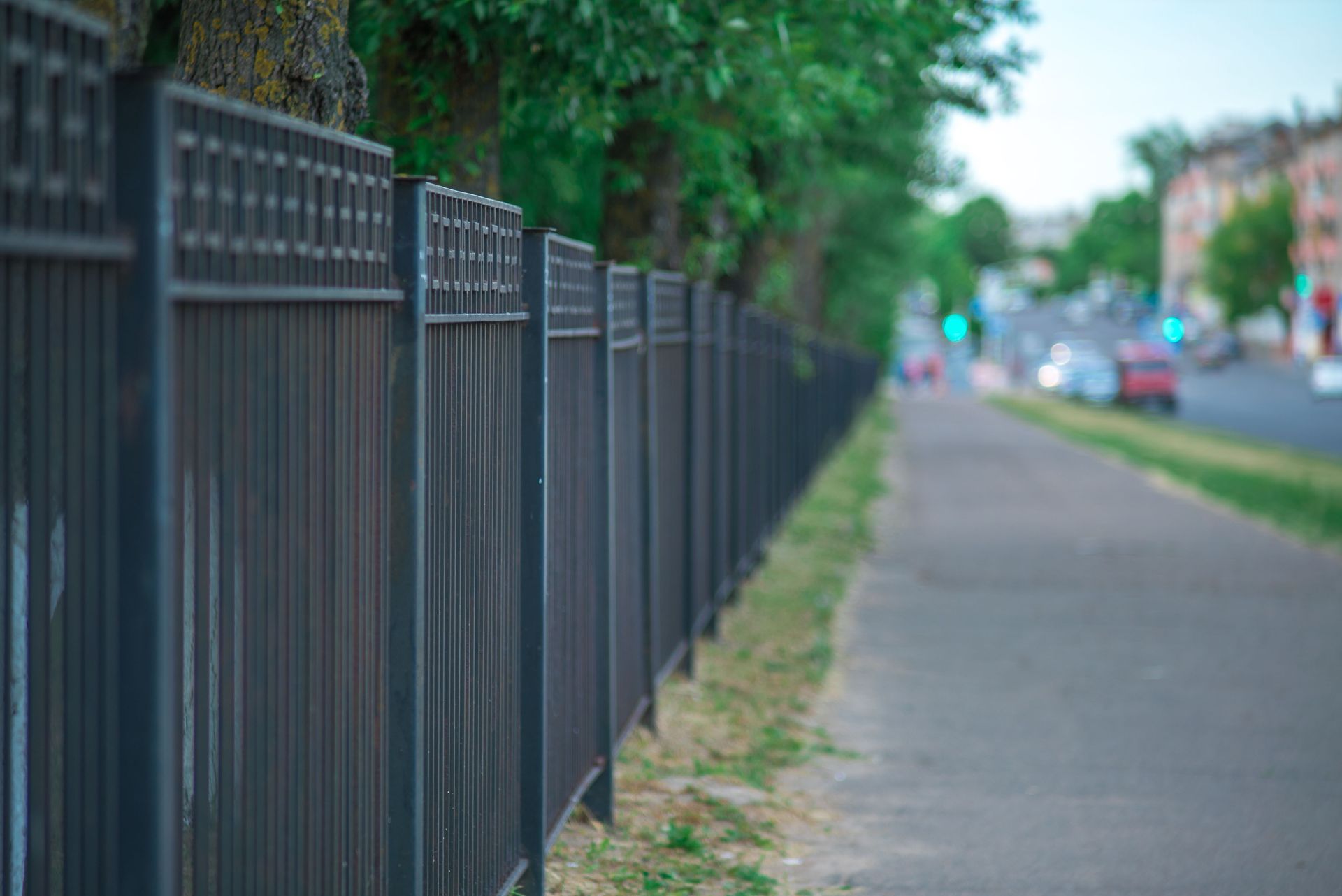
A fence can serve different purposes depending on the property and the owner's priorities. Some people want a stronger sense of privacy, while others may primarily want to define a boundary or create a more controlled entrance. A security fence can be particularly useful when controlling access and establishing a clear physical boundary are important considerations.
The design of the fence also matters. Height, layout, gates, and the amount of visibility through the fence can all affect how it functions. For some properties, a more open design may make sense, while others may benefit from a configuration that provides greater separation from surrounding areas.
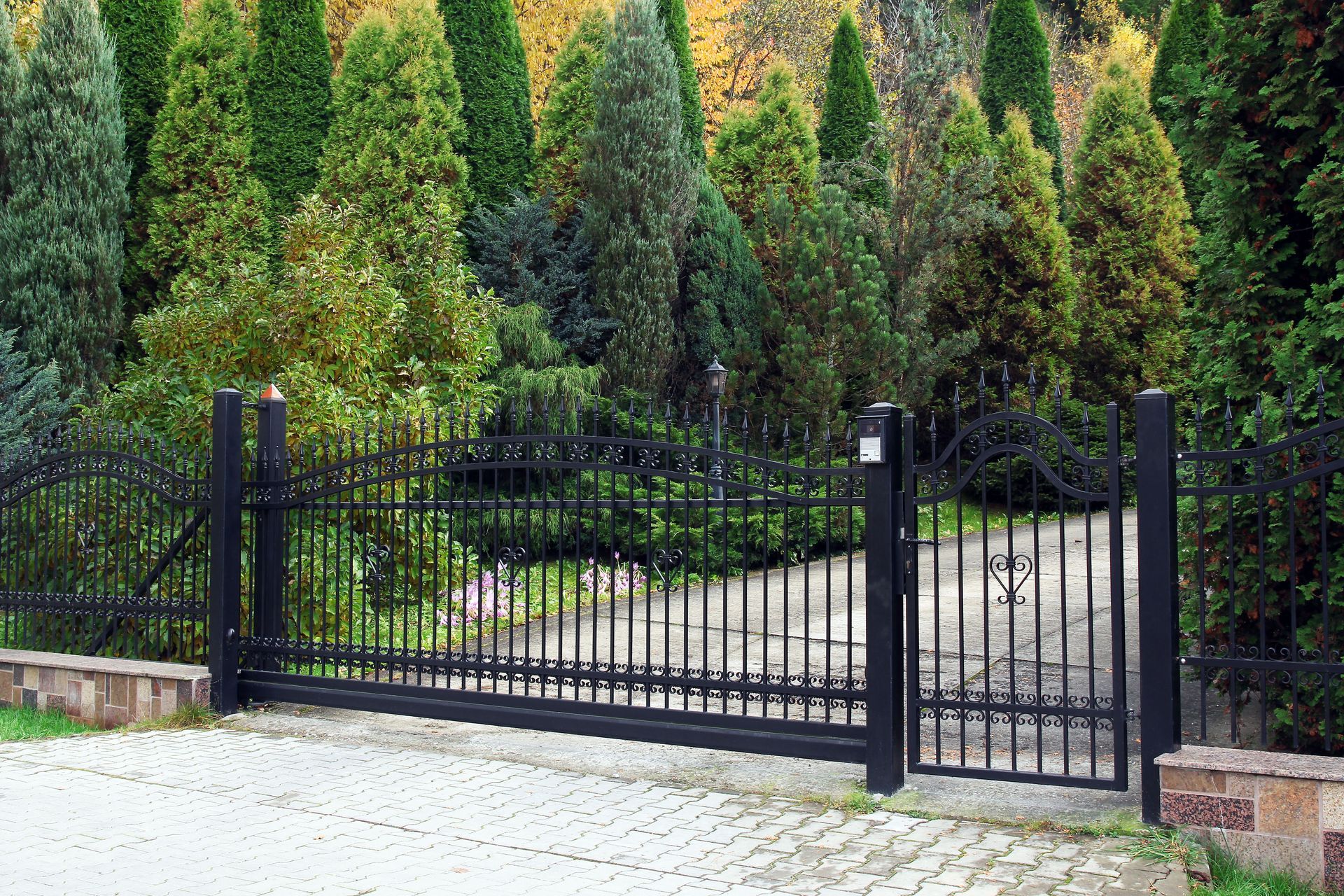
Gates can become an important part of this conversation as well. Gate installation and automated gate services can provide options such as remote controls, keypads, and smartphone integration. When fencing and access points are planned together, the finished system can be more practical for everyday use.
Considering Gates With Everyday Functioning
A fence may create the boundary, but the gate determines how people, vehicles, and equipment move through that boundary. That makes gate selection an important part of planning a durable fencing project. A security fence can also benefit from a well-planned gate that supports controlled access and everyday convenience.
Gate options can include driveway gates, courtyard gates, sliding gates, swing gates, and custom gate designs. Automation can also add controlled access and convenience for residential and commercial properties. Considering these choices alongside the fence can help create a more cohesive setup.
Think about how often the gate will be used and who needs access before deciding on a design. A driveway entrance that opens frequently may have different practical requirements than a smaller pedestrian gate. Considering these details early can help create a fence and gate combination that feels natural to use.
Maintaining Appearance With Proper Care
Durability does not have to come at the expense of appearance. Fences are highly visible features of a property, so their condition can influence how the entire outdoor area looks. Keeping finishes, panels, posts, and gates in good condition can help a fence continue looking appropriate as the years pass.
Wood can offer a warm, familiar appearance, while vinyl provides a different style that can work with various property designs. Ornamental iron can create a more decorative appearance and may be selected when visual character is just as important as establishing a boundary. Each material can bring a different look to the overall property.
The goal is not necessarily to find the material that requires no attention. Instead, consider what level of maintenance makes sense for your schedule and budget. When the expected upkeep matches your willingness to maintain the fence, it becomes easier to preserve both its appearance and usefulness.
Planning Installation With Future Needs
Installation quality can have a major effect on how a fence performs over time. Even a durable material can experience problems if the layout, posts, gates, or other components are not installed appropriately for the property. This is one reason it is useful to think about the entire project rather than focusing only on the fence material.
Before installation begins, consider property layout, intended use, gate placement, privacy expectations, and the overall appearance you want. These decisions can help reduce the likelihood of making changes after the project is complete. A security fence should also be planned around the way people and vehicles will use the property.
If an existing fence is already in place, removal may be part of the process. Demolition can clear away old fences and gates before new installation begins. Taking care of the existing structure can provide a cleaner starting point and make it easier to plan the replacement around current property needs.
Selecting Fencing With Lasting Value
Choosing a fence that holds up well over time ultimately comes down to matching the material and design with the property's needs. Wood, vinyl, chain-link, and ornamental iron each offer different characteristics, and factors such as privacy, appearance, maintenance, access, and intended use can all influence the decision. There is no need to treat one material as the universal answer when the right choice depends on the property itself.
It is also worth thinking beyond the first day of installation. A fence is something you will interact with for years, whether that means cleaning it, maintaining it, opening its gates, or simply seeing it around the property. When security is a priority, a security fence should also provide the functionality and durability needed for long-term use.
Taking time to compare your options can make the decision feel much more straightforward. Consider what you need the fence to do, what kind of upkeep you are willing to handle, and how the fence should work with your gates and property layout. A security fence can provide a practical boundary when its material, design, and installation are suited to the property.
A durable fence starts with the right material, thoughtful planning, and installation suited to the property. If you are considering a security fence, Linmoore Fencing & Iron Works, Inc can help you explore your fencing options and request a free estimate for your project.