October 22, 2026
Choosing the right material for fence installations is crucial for your property's overall security, privacy, structural protection, and aesthetic appeal. With a wide variety of fencing materials available today, each option comes with its own unique set of advantages, structural properties, ongoing maintenance requirements, and long-term financial considerations. Selecting an appropriate boundary involves carefully balancing upfront material and installation costs with long-term durability to ensure your overall investment protects your home effectively and enhances curb appeal. This guide explores the primary types of fencing materials available on the market, detailing their specific characteristics, longevity, and design options to help you make an informed, well-planned decision for your residential or commercial property project.
Selecting Wood Options
Wood remains one of the most classic, timeless materials used in residential fence installations, offering a warm and natural appearance that complements virtually any landscape design or architectural style. Homeowners frequently select from popular wood species such as cedar, pine, and redwood, each providing distinct characteristics, grain patterns, and performance traits under environmental exposure. Cedar is widely favored for its natural resistance to insects and decay, as well as its rich color, structural stability, and pleasant aroma. Pressure-treated pine offers a budget-friendly alternative that effectively resists rot and fungal growth, while premium redwood delivers exceptional longevity and rich visual warmth, albeit at a higher upfront price point.
Beyond its aesthetic flexibility, ranging from traditional decorative picket designs and shadowbox patterns to solid privacy panels, wood requires consistent upkeep to maintain its structural integrity and beauty over time. According to Bob Vila, an online home improvement resource, wood fences usually last about 15 years. Achieving this full lifespan necessitates routine maintenance, including periodic cleaning, power washing, sealing, and repainting or staining every few years to shield the wood fibers from moisture penetration, severe UV degradation, warping, and pest damage. Furthermore, wood is an environmentally conscious choice when sourced from responsibly managed forests certified by sustainable forestry organizations like the Forest Stewardship Council.
Evaluating Vinyl Barriers
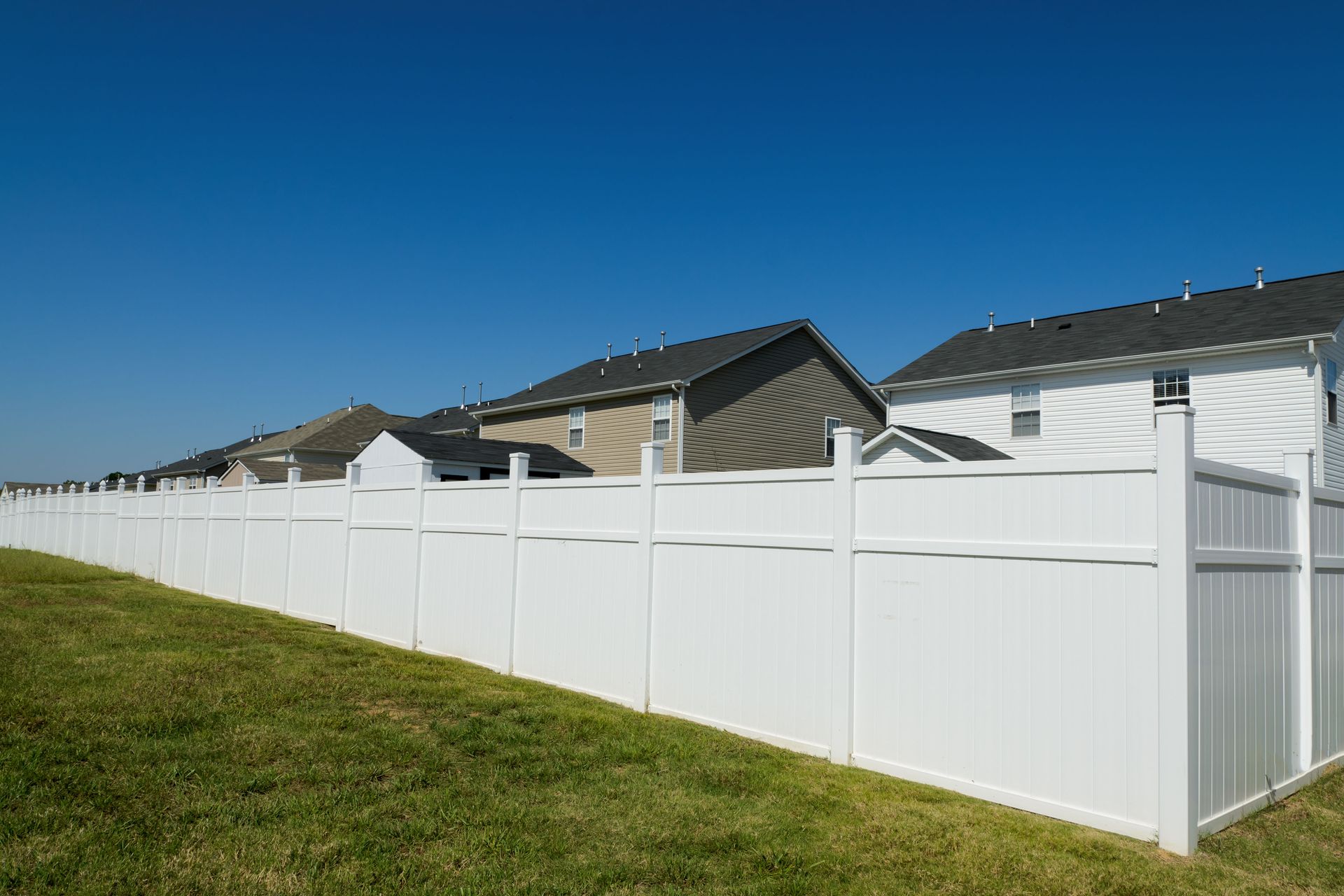
Vinyl fencing has emerged as a top-tier synthetic alternative to traditional lumber, prized primarily for its remarkable durability, sleek finish, and minimal maintenance requirements. Manufactured from high-grade polyvinyl chloride (PVC), vinyl is inherently immune to rot, decay, insect infestation, splitting, and moisture absorption, making it an ideal long-term exterior solution. Its inherent flexibility allows it to withstand severe weather conditions, heavy wind loads, and unexpected physical impacts without cracking or splintering easily. Furthermore, modern vinyl formulations incorporate advanced UV inhibitors that protect the engineered panels from fading, yellowing, chalking, or becoming brittle after prolonged sun exposure year after year.
The primary advantage of opting for vinyl in professional fence installations is the dramatic reduction in long-term maintenance time and ongoing labor cost for homeowners. Unlike natural wood, vinyl never requires painting, staining, scraping, or chemical sealing; it can be refreshed easily with a simple wash using a standard garden hose, soft brush, and mild detergent. While the initial material and professional installation investment for vinyl may be higher than that of basic lumber, its extended lifespan and absolute lack of ongoing upkeep expenses balance the initial expenditure effectively over time. Additionally, vinyl panels come in a vast array of styles, heights, colors, and textures that can seamlessly emulate traditional painted wood or rustic stone barriers.
Installing Metal Structures
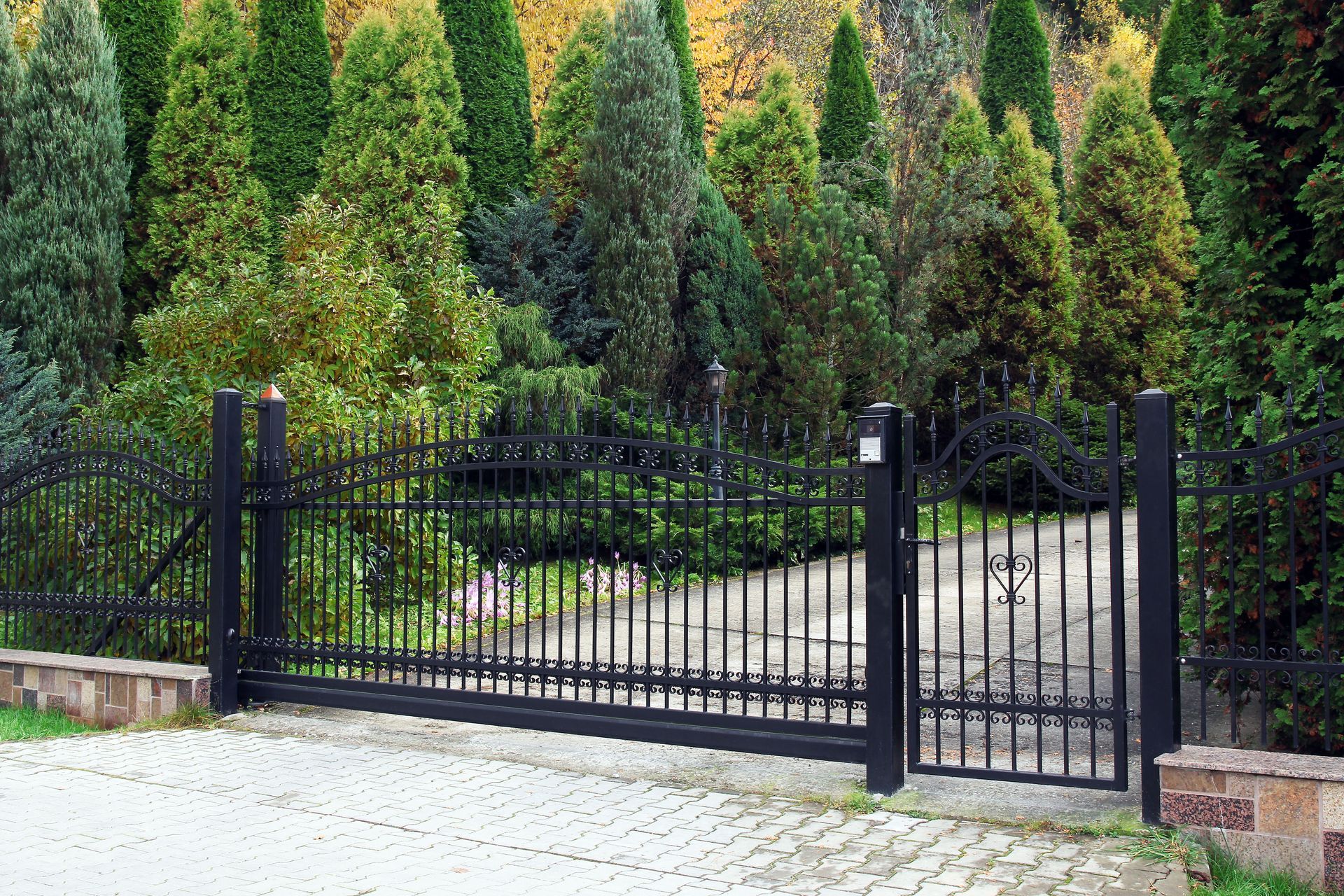
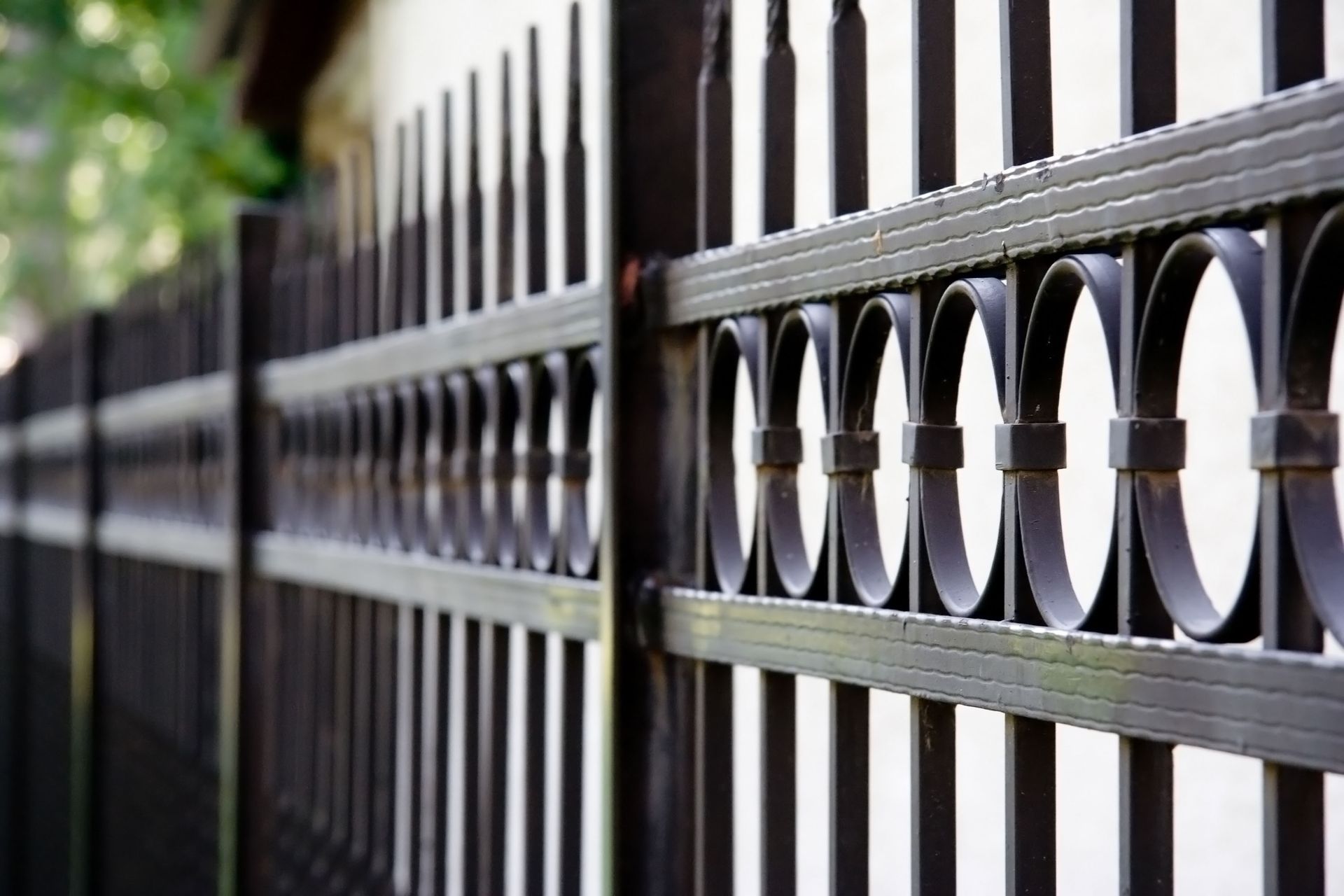
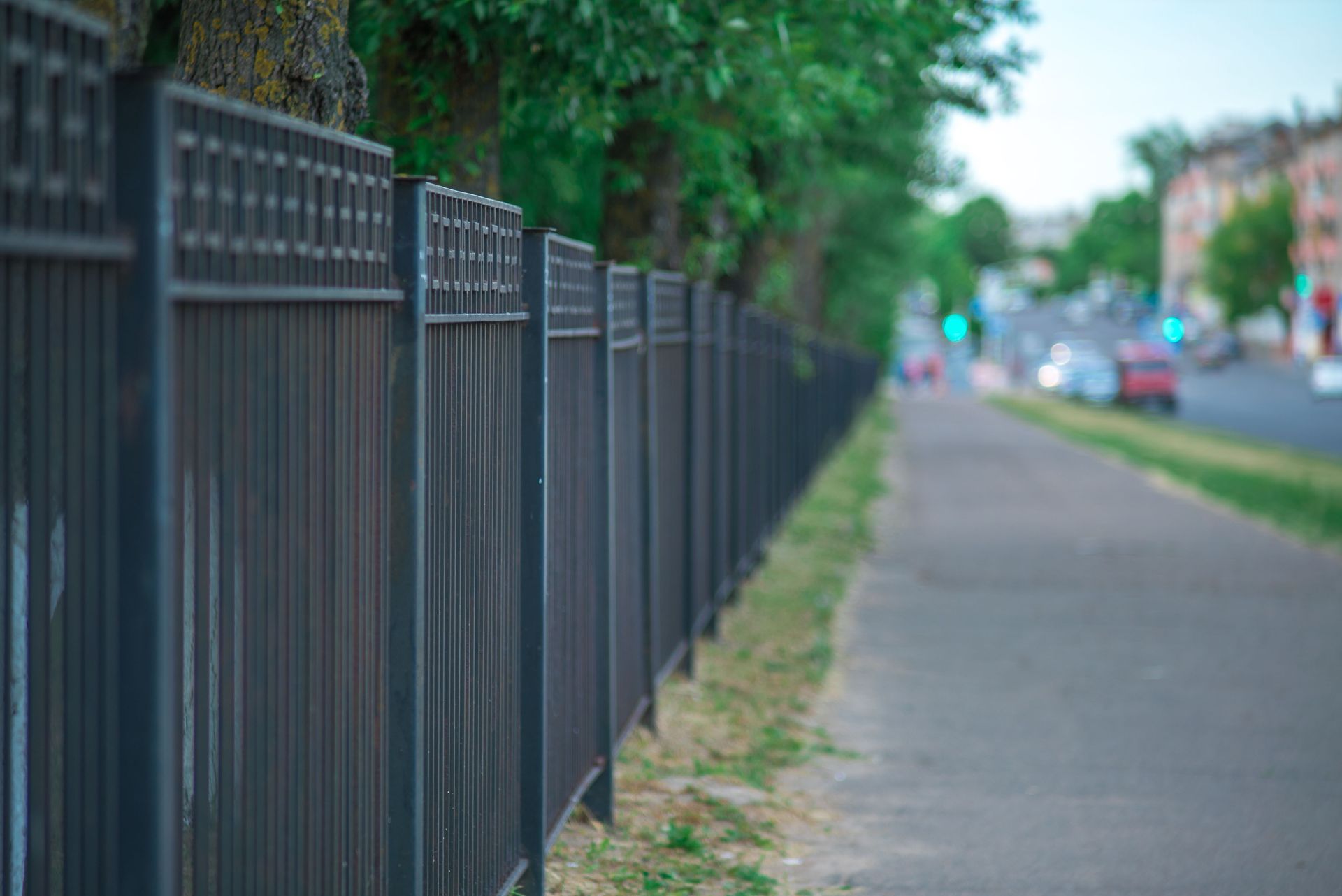
Metal fencing systems excel in providing superior strength, heavy-duty security, and timeless architectural elegance across both high-end residential and demanding commercial applications. The three primary metals utilized in perimeter construction are aluminum, steel, and wrought iron, each serving specific structural needs and environmental demands. Aluminum is lightweight, highly rust-resistant, and exceptionally ideal for wet or coastal environments where salt air and high moisture are constant factors. Steel delivers unmatched impact resistance and exceptional structural rigidity, making it the preferred choice for high-security perimeters, industrial facilities, and gated entrances. Wrought iron offers timeless, ornate craftsmanship that dramatically elevates historic and high-end luxury properties.
While metal fences are engineered for exceptional longevity and stability, their ongoing maintenance demands vary significantly based on the specific material chosen and local weather exposure. Aluminum requires minimal attention beyond occasional surface cleaning to remove dust or salt residue, whereas steel and wrought iron must be properly treated, powder-coated, or periodically repainted to prevent surface rust, oxidation, and structural corrosion over time. From a design perspective, metal fencing provides clean lines, excellent structural stability, and open visibility without compromising overall perimeter control. Incorporating high-quality metal frameworks into your planned fence installations ensures a resilient, sophisticated boundary capable of enduring harsh weather while maintaining its refined aesthetic appeal for decades.
Utilizing Chain Link
Chain link fencing represents one of the most practical, durable, and cost-effective solutions for property enclosure, combining long-lasting structural durability with remarkably low material and labor costs. Constructed from heavy-gauge woven galvanized steel wires arranged in a precise, interlocked diamond pattern, chain link creates a strong, flexible, and open security barrier. Because the open weave allows strong wind gusts and natural light to pass through freely, chain link fences experience minimal wind resistance during severe storms, making them exceptionally stable over long spans. They are widely utilized across residential yards, industrial facilities, sports fields, commercial compounds, and public parks.
For property owners seeking economical fence installations, chain link offers an unbeatable, time-tested balance of affordability and continuous longevity. The galvanized or color-coated steel framework resists rust and requires almost no routine maintenance beyond occasional cleaning with water or minor tension adjustments over time. While standard galvanized chain link has a strictly functional, utilitarian appearance, visual upgrades such as color-matched vinyl coatings (available in green, black, or brown) and privacy slats can easily blend the fence into the surrounding natural landscape. Additionally, steel chain link is fully recyclable, offering positive environmental benefits at the end of its long operational lifespan.
Exploring Composite Materials
Composite fencing is an innovative, high-performance material engineered from a dense blend of recycled wood fibers and durable plastic polymers. Designed to offer the authentic look and deep grain texture of natural wood without its inherent vulnerabilities to weather and decay, composite materials provide a highly resilient, modern boundary solution. The dense composition of composite panels renders them completely immune to rot, fungal decay, splintering, sagging, and insect damage. Available in a wide selection of rich, fade-resistant colors, realistic wood-grain finishes, and horizontal or vertical profiles, composite systems deliver sophisticated visual appeal suitable for modern architectural styles.
Choosing composite panels for custom fence installations drastically reduces the ongoing labor and recurring financial expense associated with exterior perimeter care. Composite materials require no staining, painting, or chemical waterproofing treatments throughout their operational life, needing only occasional washing with soap and warm water to remove surface dirt, pollen, or dust. Although the initial purchase price of composite fencing is higher than that of traditional wood, the long-term savings on stains, sealers, repair labor, and premature replacement make it a highly cost-effective investment over time. Its eco-friendly makeup, utilizing recycled plastics and reclaimed timber waste, further enhances its appeal for environmentally conscious homeowners.
Selecting the ideal fencing material requires careful consideration of your project budget, aesthetic preferences, security requirements, property topography, and personal willingness to perform ongoing routine maintenance. Whether you prefer the classic character and natural warmth of wood, the low-maintenance convenience of vinyl and composite, the robust strength of metal, or the practical economy of chain link, investing in quality materials and professional craftsmanship ensures lasting perimeter performance. For more information about the services that we offer, reach out to our incredible team at Linmoore Fencing & Iron Works, Inc today!