October 14, 2026
A new fence can improve privacy, security, curb appeal, and the overall function of your property. However, even a high-quality fence can create unnecessary expenses when the project is affected by avoidable mistakes. Poor planning, incorrect measurements, unsuitable materials, and installation problems can all lead to repairs or premature replacement.
According to Grand View Research, the residential segment accounted for 62.6% of global fencing market revenue in 2025. The research connects residential demand partly to homeowners investing in improvements related to privacy, security, and property appearance. With so many homeowners adding or replacing fences, careful planning can help ensure the investment delivers lasting value.
In this article, we’ll cover 10 costly fence installation mistakes worth avoiding and explain how thoughtful planning can help protect your property and your budget.
1. Skipping Property Line Verification
One of the most expensive mistakes is installing a fence in the wrong location. Property boundaries are not always obvious, particularly on older properties or lots where landscaping, existing structures, or previous fencing can make the boundary difficult to identify.
Before fence installation begins, property lines should be carefully verified. Depending on the circumstances, this may involve reviewing property documents, checking existing surveys, or working with a professional surveyor.
A fence that crosses onto a neighbor’s property could result in disputes, relocation expenses, or even the need to remove and reinstall part of the fence. Taking time to establish the correct boundary before construction can help prevent these problems.
2. Choosing Materials Without Considering the Property
Not every fencing material is appropriate for every property. Homeowners sometimes select a material based solely on appearance or initial price without considering factors such as weather exposure, maintenance requirements, security needs, and the intended use of the fence.
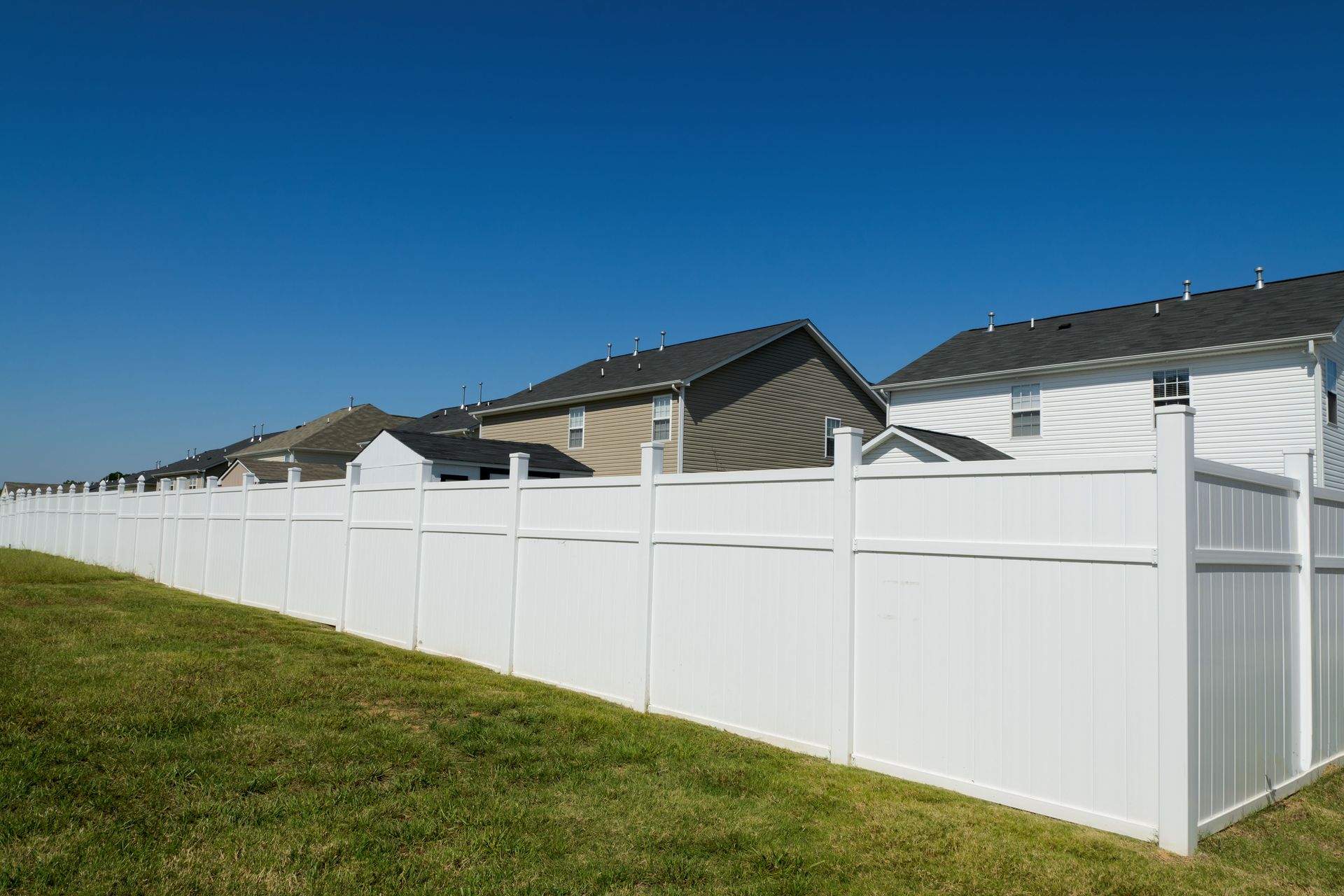
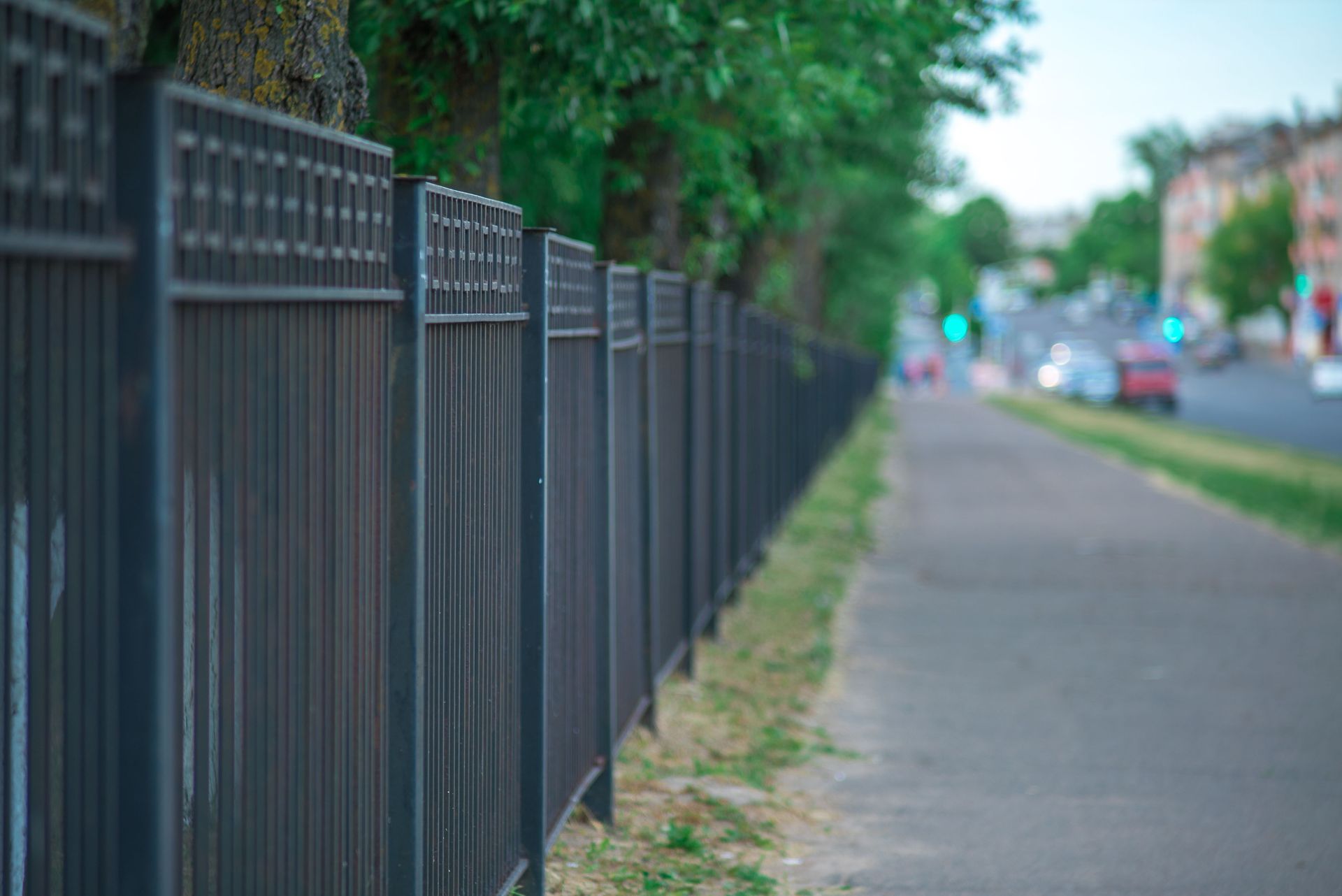
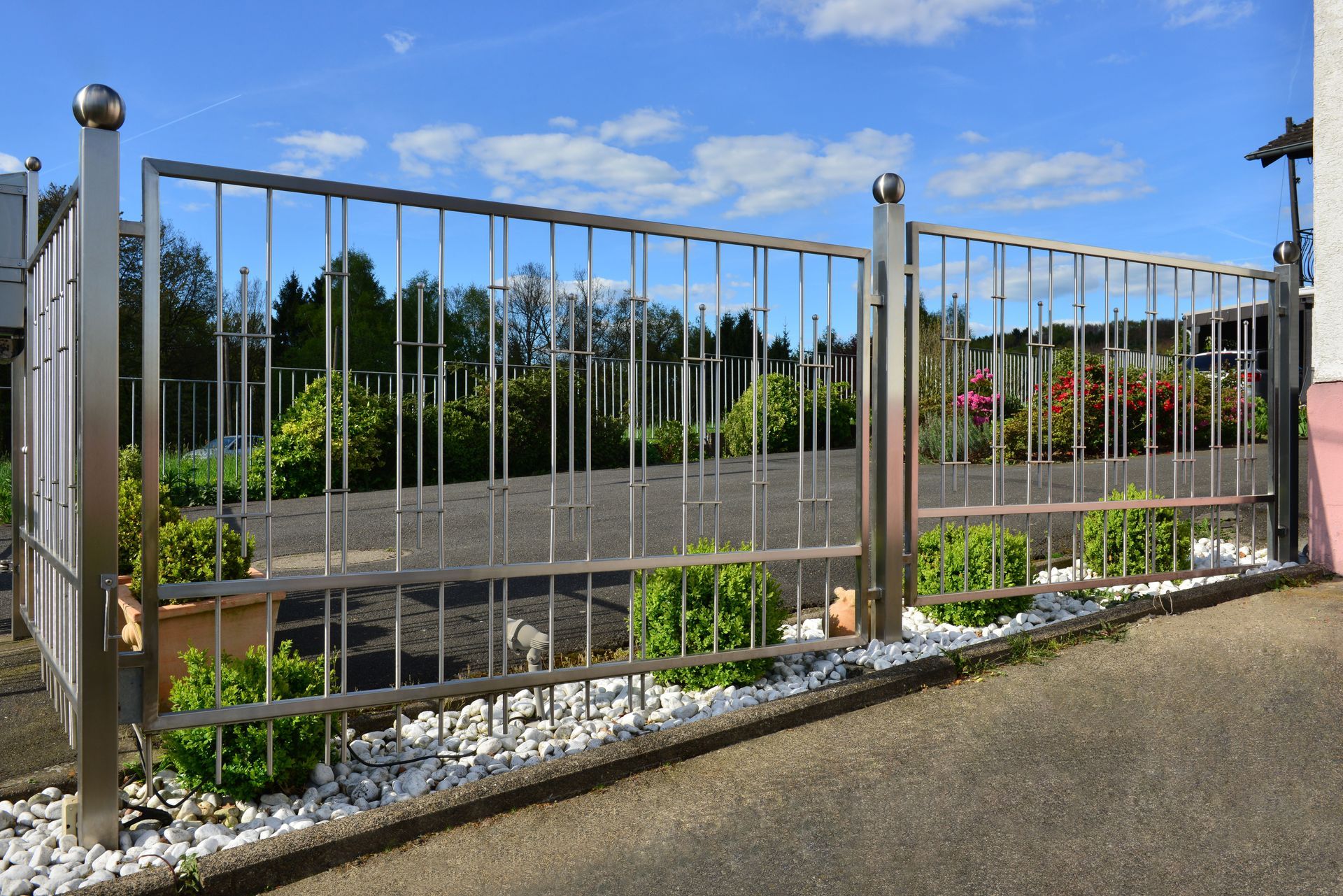
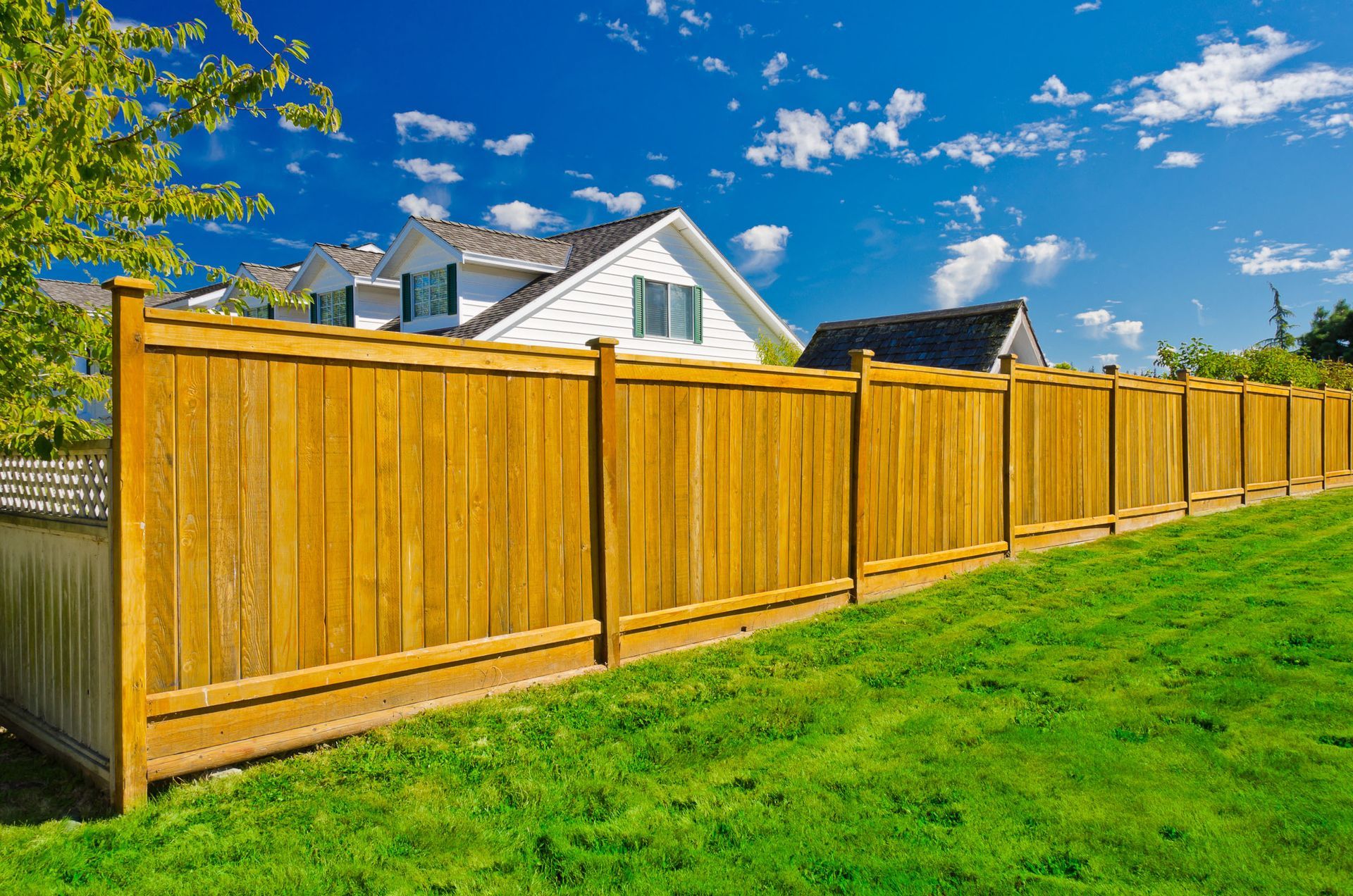
For example, a fence surrounding a backyard may have different requirements than one intended to secure a commercial property or contain pets. Wood, vinyl, chain link, ornamental metal, and other materials each have different characteristics.
During fence installation, the material should match the property's practical needs as well as its appearance. Choosing appropriately from the beginning can reduce the likelihood of premature repairs or replacement.
3. Underestimating the Importance of Accurate Measurements
Incorrect measurements can cause a surprisingly expensive chain of problems. Ordering too little material can delay a project, while ordering substantially more than necessary can increase costs.
Measurements also affect the placement of posts, gates, corners, and transitions. Even a small error can become more significant as the project progresses.
Professional fence installation involves more than estimating the length of a property line. The layout should account for changes in terrain, structures, gates, corners, and other features that can affect the final design.
4. Ignoring Local Requirements
Fence projects may be subject to local regulations, zoning requirements, homeowners association rules, or permitting requirements. These regulations can address fence height, placement, materials, visibility, and proximity to streets or neighboring properties.
Ignoring these requirements can create costly complications after the fence has already been installed. A homeowner could potentially be required to modify or remove a fence that does not meet applicable rules.
Before starting fence installation, homeowners should determine which requirements apply to their property. Addressing these details early can help keep the project on schedule and avoid unnecessary expenses.
5. Installing Posts Without Proper Planning
Fence posts provide much of the structural support for a fence, so their placement and installation matter. Posts that are poorly aligned, inadequately supported, or improperly positioned can contribute to leaning, sagging, and instability.
The appropriate installation method can depend on the fence material, soil conditions, climate, and design. Simply treating every property and every fence the same can lead to structural problems over time.
Careful post planning is therefore an important part of durable fence installation. Proper spacing and support can help the finished fence withstand everyday use and environmental conditions.
6. Failing to Account for Sloped Ground
A property does not need to be perfectly flat for a fence to be installed, but changes in elevation should be considered during the design process. A fence that follows a slope incorrectly may have uneven sections, excessive gaps, or an appearance that does not match the property.
Terrain can also affect gate placement and accessibility. Attempting to force a standard layout onto significantly uneven ground can create both functional and visual problems.
An experienced fence installation professional can evaluate the terrain and determine an appropriate layout for the property. Planning around elevation changes before construction can help avoid expensive adjustments later.
7. Overlooking Gate Placement and Function
A fence may look excellent while still being inconvenient if the gates are poorly planned. Gate location should account for how people, vehicles, pets, lawn equipment, and other items will move through the property.
Homeowners should consider where the gate will be most useful, how much clearance it needs, and whether a pedestrian or driveway entrance is appropriate. The direction in which a gate opens can also matter, particularly in areas with limited space.
Thinking about gate functionality before fence installation begins can prevent frustrating modifications after the project is complete.
8. Focusing Only on the Lowest Initial Price
Price is naturally an important consideration, but choosing a fence solely because it has the lowest initial cost can sometimes lead to higher expenses later. Materials, workmanship, maintenance requirements, and expected lifespan all affect the overall value of a fencing project.
A less expensive option may not provide the durability, appearance, or functionality a property owner needs. Conversely, a more suitable material or design may provide greater long-term value despite a higher initial investment.
Homeowners should compare what is included in each proposal rather than looking only at the bottom-line price. Understanding materials, labor, design details, and warranty information can make comparisons more meaningful.
9. Attempting Complex Work Without Professional Experience
Some homeowners may consider handling fence installation themselves to reduce labor costs. While certain straightforward projects may appear manageable, fencing can involve more than digging holes and attaching panels.
Property boundaries, terrain, post alignment, gates, material requirements, and local regulations can all affect the finished project. Mistakes in one area may require additional materials or professional corrections.
For larger, complex, or highly customized projects, working with an experienced fencing contractor can help reduce the risk of costly errors. Professional installation can also provide a more consistent finished appearance.
10. Forgetting About Long-Term Maintenance
A fence is a long-term property improvement, so homeowners should consider what it will require after installation. Different materials have different cleaning, maintenance, and repair needs.
For example, a homeowner who wants minimal upkeep may prioritize a material that requires less routine maintenance, while someone who prefers the traditional appearance of wood may be comfortable with additional care.
Discussing maintenance expectations before fence installation can help homeowners select a system that fits their lifestyle and budget. Planning for ongoing care can also help preserve the fence's appearance and function over time.
A fence can be a valuable addition to a residential property, but the success of the project depends on more than choosing an attractive style. Property boundaries, measurements, materials, terrain, gates, regulations, structural support, and long-term maintenance all deserve attention before construction begins.
Avoiding common mistakes can help homeowners reduce unnecessary expenses while creating a fence that provides the privacy, security, appearance, or functionality they want. Professional planning and workmanship can also make the process easier from the initial design through completion.
If you're planning a new fence, contact our team at Linmoore Fencing & Iron Works, Inc today to discuss your property, goals, and fencing options and schedule a professional consultation.