November 15, 2026
An open property can be welcoming, but unrestricted access sometimes creates problems for the people who live or work there. Uninvited visitors, unclear boundaries, and exposed outdoor areas can interfere with privacy and make access harder to manage. Fencing creates separation while allowing owners to decide where people should enter and which areas should remain private.
Having a security fence installed is worth considering when the existing layout offers little separation between public access and private use. The right design depends on the property's surroundings, the activities taking place inside it, and the entrances people use regularly. Understanding the benefits can help owners identify what they want the installation to accomplish before deciding on materials, placement, and gate features.
1. Discouraging Unauthorized Entry
Without fencing, someone may be able to walk directly from the street toward a backyard, parked vehicle, or outdoor storage area. A physical barrier interrupts that direct route and makes entry more deliberate. Someone approaching the space must use a gate or attempt to cross the enclosure, creating an obstacle that an open yard does not provide. That added effort can discourage casual trespassing, even though fencing cannot prevent every attempted intrusion.
The effectiveness of a security fence depends partly on its height and construction. According to the City of Tampa, a safety fence should stand no less than four feet tall. Height matters because a low decorative border does little to interrupt access, although the appropriate dimensions depend on the setting and applicable requirements. Fence design also needs to account for openings and features that could make climbing easier.
Strength alone does not address every weakness around a perimeter. An unprotected opening beside a gate can undermine otherwise substantial fencing, just as an easily crossed section can leave a vulnerable approach.
Changes in ground level also deserve attention because an otherwise consistent fence line may leave a larger opening underneath. Professional planning considers the enclosure as a whole, including transitions between sections and access points. This attention helps the finished barrier serve its intended purpose throughout the property.
2. Making Access More Intentional
Property owners often need to welcome certain visitors while limiting unrestricted entry. A home might require convenient access for household members, while a business must accommodate employees and expected deliveries. When entrances remain completely open, those different needs can be difficult to manage. Gates create designated places where access can be granted instead of allowing entry from several directions.
Pairing a security fence with an appropriate gate brings control to those entrances. Automated options can include keypads, remote controls, and smartphone integration, depending on the selected system. A keypad allows entry by code, while a remote offers another way for authorized users to operate the entrance. Choosing a suitable option helps control access without requiring the gate to remain open for regular arrivals.
Convenience deserves consideration alongside restriction because an awkward entrance can interfere with ordinary routines. Gate placement should accommodate the routes people already need, whether they arrive on foot or in a vehicle. For example, a delivery entrance may need a different arrangement from a pedestrian gate used throughout the day. Gate operation matters as well: an entrance that is routinely left open offers little control, regardless of how substantial the surrounding barrier may be. A thoughtfully arranged access point supports protection without making every arrival unnecessarily complicated.
3. Giving Property Boundaries a Clear Physical Form
A security fence makes a private boundary easier to recognize where nearby spaces otherwise appear connected. An open side yard may resemble a shortcut, or an outdoor business area may appear accessible from an adjoining parking lot. Landscaping alone does not always communicate where private use begins, especially when lawns or paved surfaces continue across adjoining areas. A visible division gives passersby a clearer cue about where they can walk without relying on familiarity with the property.
For businesses, that separation can make outdoor operations easier to organize. Customers can identify the route toward a public entrance while storage and work areas remain apart from casual foot traffic. At home, a defined yard gives visiting friends and neighbors a clearer sense of which spaces are private. These benefits come from the enclosure's placement and continuity, rather than from making the property look imposing.
Placement deserves particular attention where private and shared spaces meet. An enclosure should follow established property lines while accounting for access between the street, entrances, and enclosed outdoor areas. A side yard that joins a front walkway, for example, needs a clear transition without cutting off the route to the door. Planning that transition helps the boundary remain recognizable while preserving the connections that make the property practical to use.
4. Creating More Privacy for Outdoor Activities
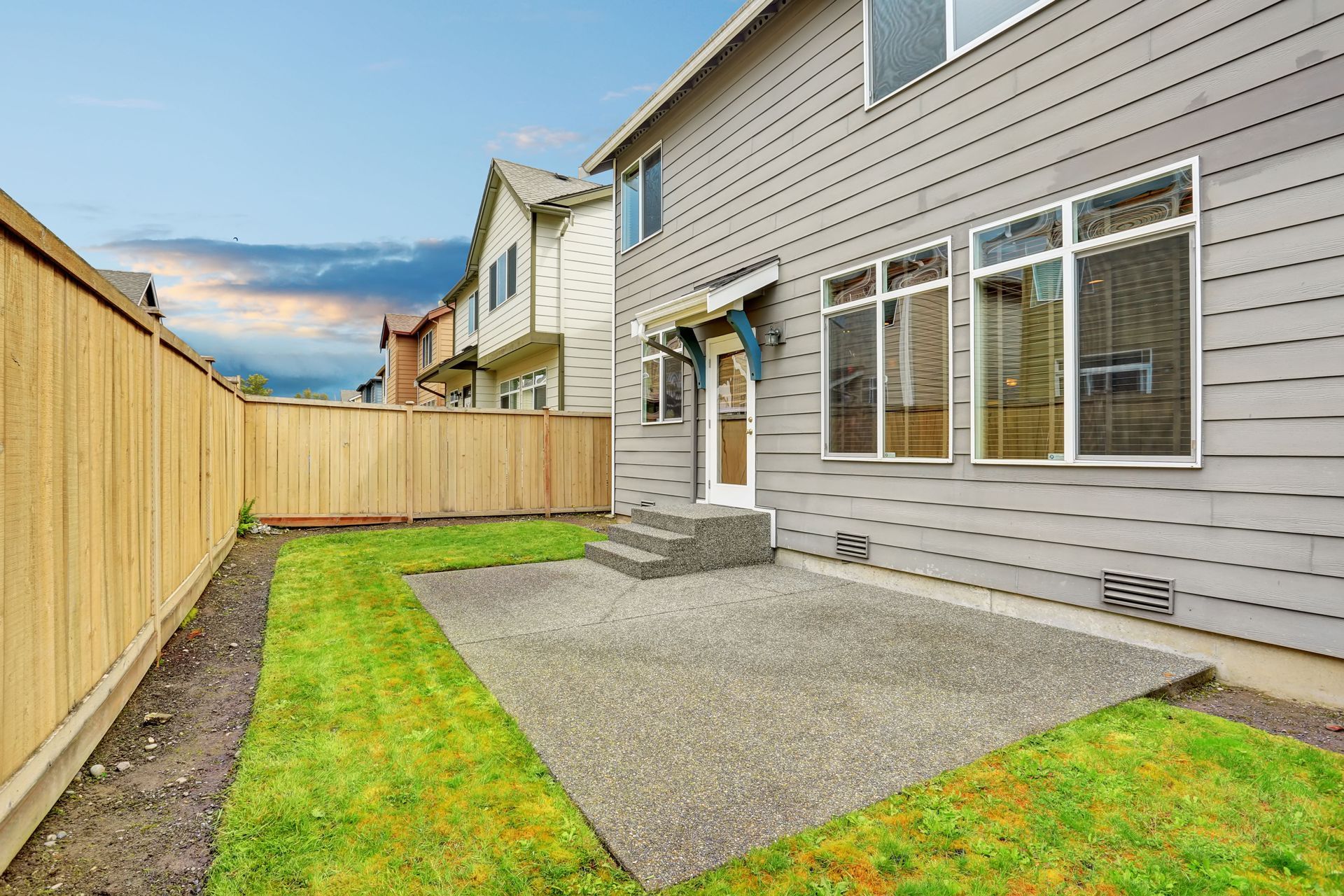
Outdoor areas can feel exposed when they sit directly beside a sidewalk, neighboring property, or busy access route. People may hesitate to use a patio or spend time in a yard when passing activity is constantly in view. Commercial spaces can face similar concerns when outdoor activities are visible to everyone nearby. Greater visual separation can make those areas more comfortable to use.
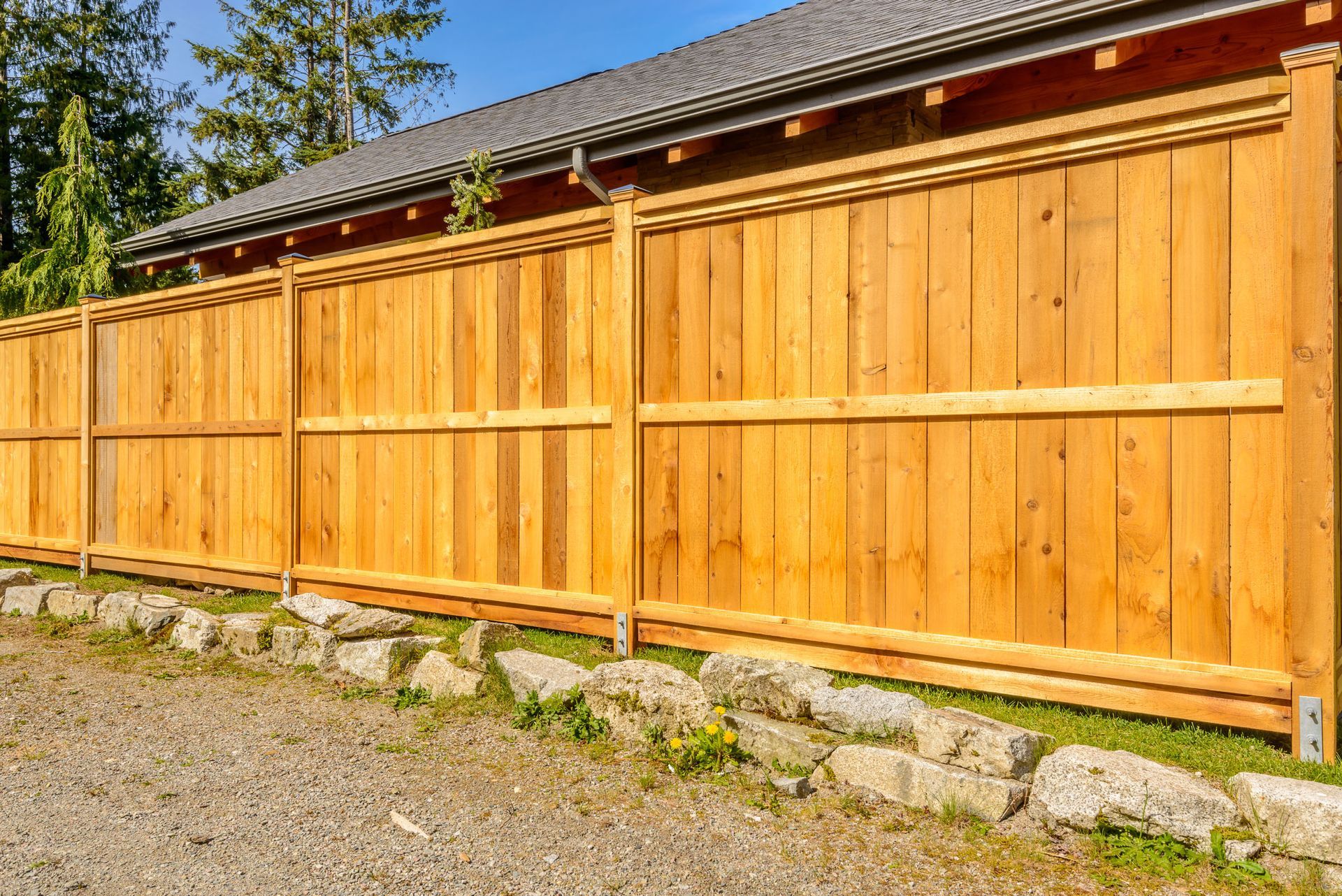
Privacy depends on the design rather than the presence of fencing alone. Closely arranged boards or solid panels offer a different experience from an open ornamental design. Wood and vinyl can provide substantial screening, while open metal styles allow more visibility through the enclosure. Material and layout decisions should reflect which areas need seclusion and which benefit from remaining visible.
Screening also needs to preserve useful views where people enter and leave. A security fence that screens a seating area beside a neighboring window may need a more open treatment near the front gate. Approaching visitors should be visible from the places where residents or staff normally observe the entrance. Treating those areas differently allows the enclosure to respond to actual uses instead of applying the same level of screening everywhere.
5. Adding Protection That Suits the Property's Appearance
A substantial barrier does not have to make a property feel disconnected from its architecture. Fencing occupies a prominent part of the exterior, so its proportions, material, and style affect the overall impression. A design that relates to the building can create a more coherent appearance. This matters for owners who want stronger boundaries while retaining an entrance that feels appropriate for residents, customers, or guests.
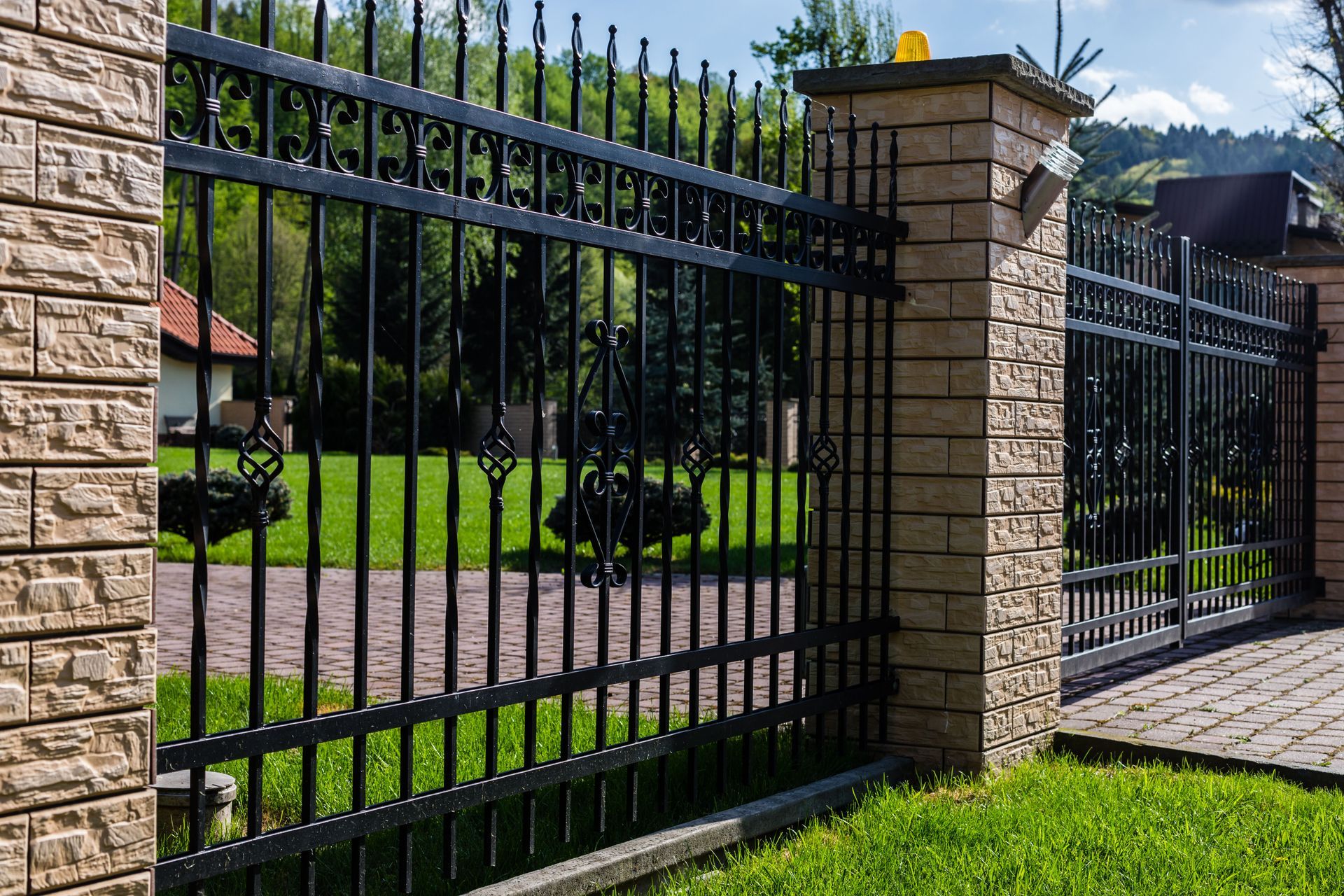
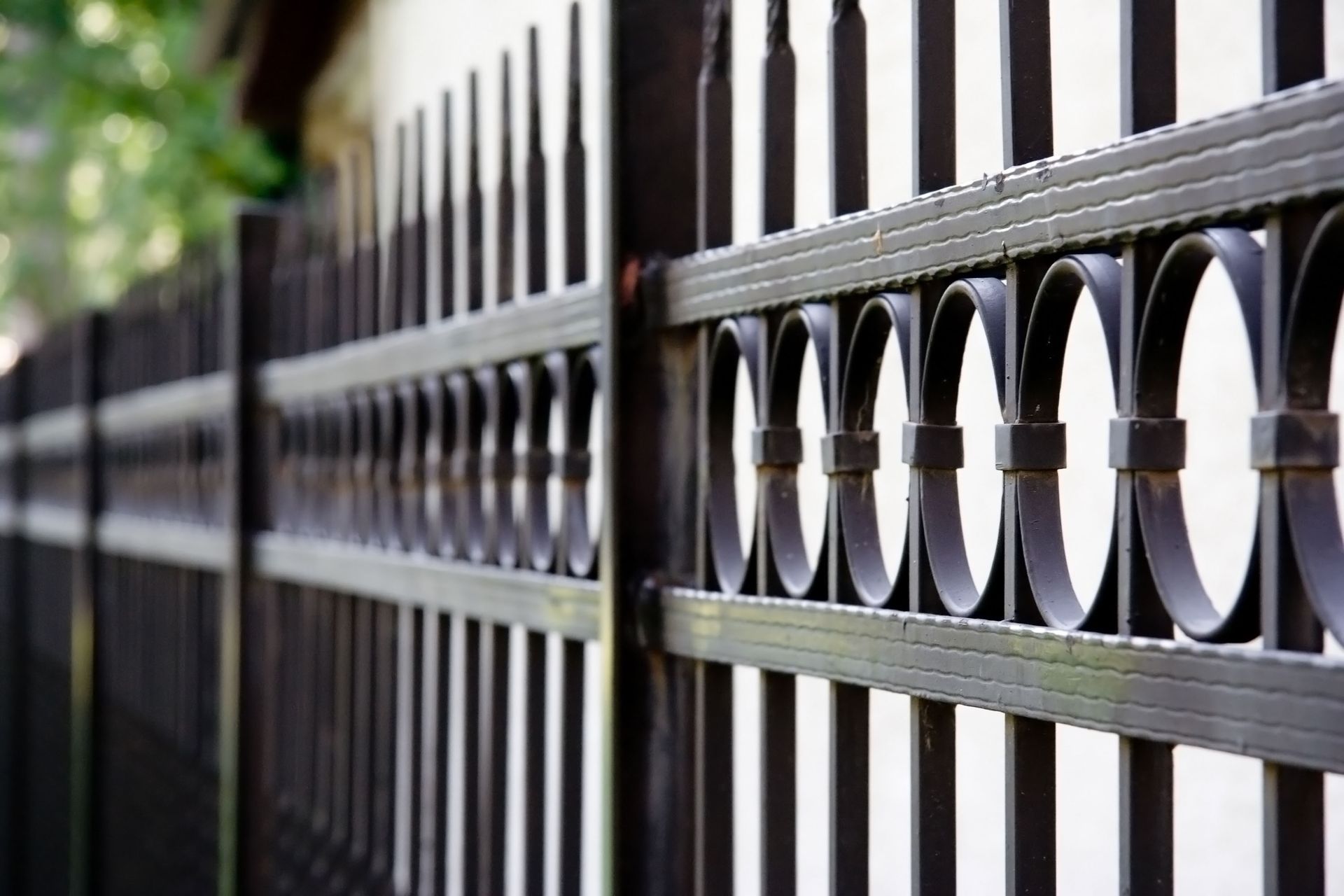
An ornamental iron security fence can provide a visible physical barrier while preserving views through the perimeter. Its open design may suit a property where observing the approach is preferable to creating a solid screen. Custom gates can carry similar visual details across the entrance, giving the exterior a more consistent appearance. A homeowner might favor details that echo existing ironwork, while a business may prefer simpler lines suited to its building.
Appearance also depends on how well the installation holds its shape over time. Consistent alignment, suitable materials, and protective finishes contribute to an orderly exterior while supporting the fence's function. Professional installation addresses the structural details behind that appearance, including stable posts and properly fitted sections. A straight, well-supported enclosure can retain the intended appearance while continuing to serve as a physical boundary.
Deciding where a property needs separation is more useful than choosing a fence by appearance alone. A clear purpose makes it easier to judge whether the design will work during ordinary use, from busy arrivals to quiet time outdoors. At Linmoore Fencing & Iron Works, Inc, we design and install fencing and gates tailored to how each property is used. Contact us to discuss an installation suited to the way you use your space.