April 3, 2026
Installing a fence can significantly impact the aesthetics, security, and value of your property. However, before you move forward with this decision, there are several critical factors that you should take into account to make sure your investment meets your needs and expectations. This article will guide you through essential considerations and help you make an informed choice about fence installations.
1. Purpose of the Fence
1.1 Enhance Privacy
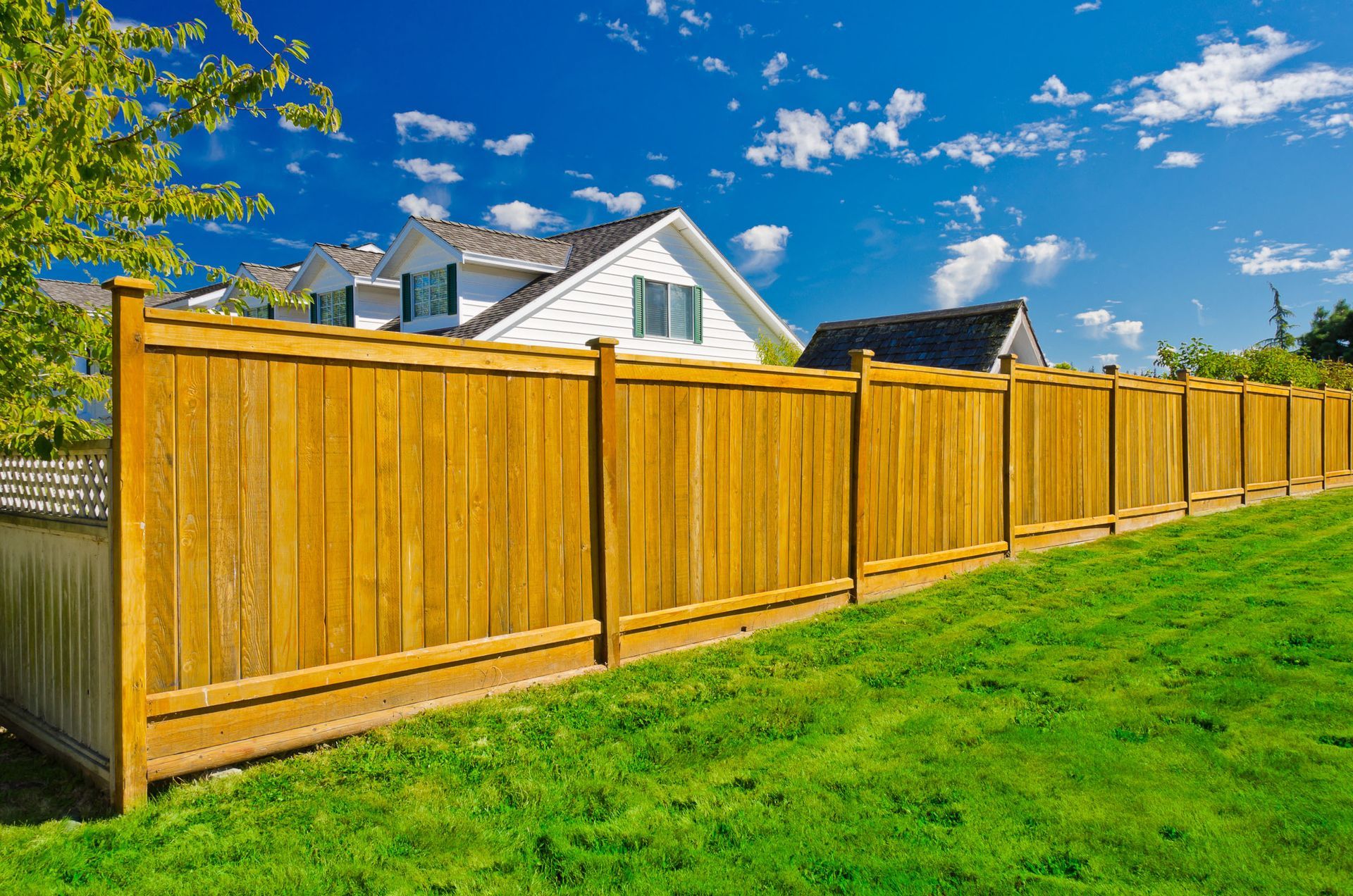
Consider whether your main goal is to create a private space and what type of fence best suits this purpose. Privacy can be of utmost importance, especially if your property is located in a densely populated area. A tall, solid fence can create a secluded oasis in your backyard, reducing visibility from neighbors and passersby. Consider materials like wood or vinyl, which can effectively block sightlines. It is also important to study the local regulations to make sure your privacy-focused fence installations comply with any height restrictions.
1.2 Improve Security
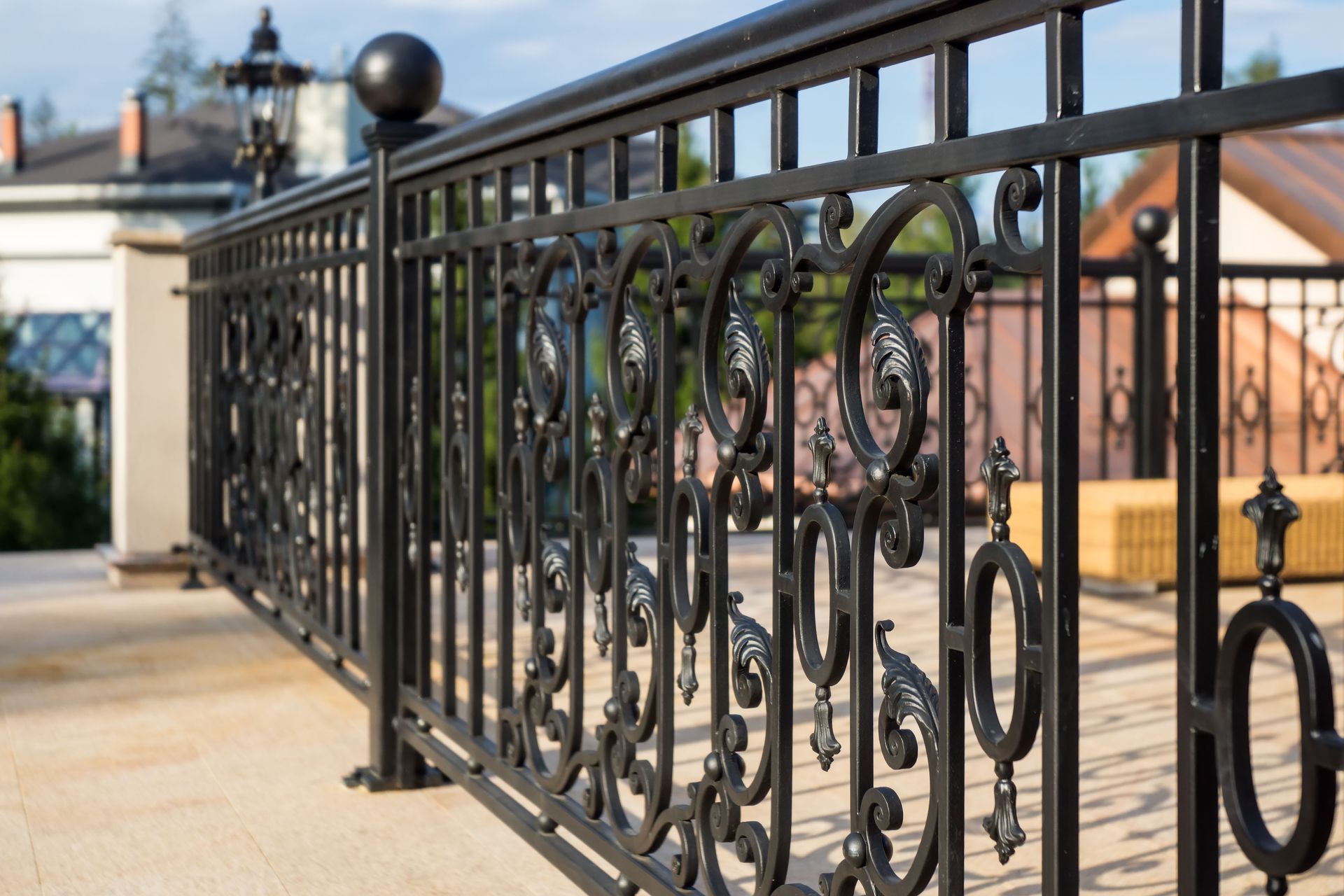
Evaluate the security needs of your property and choose fence materials and designs that deter potential intruders. Security fences are often made from materials like wrought iron or high-quality metal, offering strong resistance against intrusion. Additionally, designing a fence with spikes or pointed tops can further discourage climbing attempts. Remember to factor in visibility, as maintaining a line of sight is crucial for security. Secure gates and locks are an essential aspect of successful fence installations for safety.
1.3 Aesthetic Appeal
Decide if the main focus is enhancing the visual appeal of your property and how the fence style complements your home and landscape. Aesthetic fences can act as beautiful borders, adding charm and character to your property. Natural materials such as wood can provide a warm, inviting look, while ornamental designs in wrought iron can add elegance. It's essential to choose a style that aligns with both your home’s architecture and landscape features. This not only enhances curb appeal but also potentially increases the property’s market value, which is why thoughtful fence installations matter.
1.4 Noise Reduction
Determine if you need your fence to provide a sound barrier and explore materials and designs that help reduce noise. For properties near busy roads or urban areas, soundproofing can be a valuable feature. Dense materials like masonry or thick wooden panels are effective in absorbing sound. These sorts of fences might include extra insulation layers or overlapping slats to block noise more efficiently. Assessing how directional noise affects your property can help tailor the proper solution during fence installations.
1.5 Define Property Boundaries
Make sure that the fence accurately marks the boundaries of your property to avoid disputes with neighbors. A boundary fence not only demarcates property lines but can also prevent encroachment issues. Precise placement is vital; before installing, check your property survey to avoid inadvertently crossing into a neighbor's land. Kostka disputes can arise when fences are incorrectly placed, leading to costly legal proceedings. Communicating with neighbors beforehand can also ease any tension and encourage shared infrastructure costs related to fence installations.
2. Cost Considerations
2.1 Initial Installation Costs
Calculate the upfront expenses, including materials, labor, and any additional features. It’s important to budget accurately to avoid unexpected financial strain. Fence type and quality will heavily influence your initial investment. Labor costs can vary, especially if hiring specialized contractors; remember, there are over 50,000 fence contractors in the U.S., according to Grand View Research, providing multiple choices and price ranges. Initial costs may also include permits, particularly if you're opting for premium materials or larger fence installations.
2.2 Long-Term Maintenance
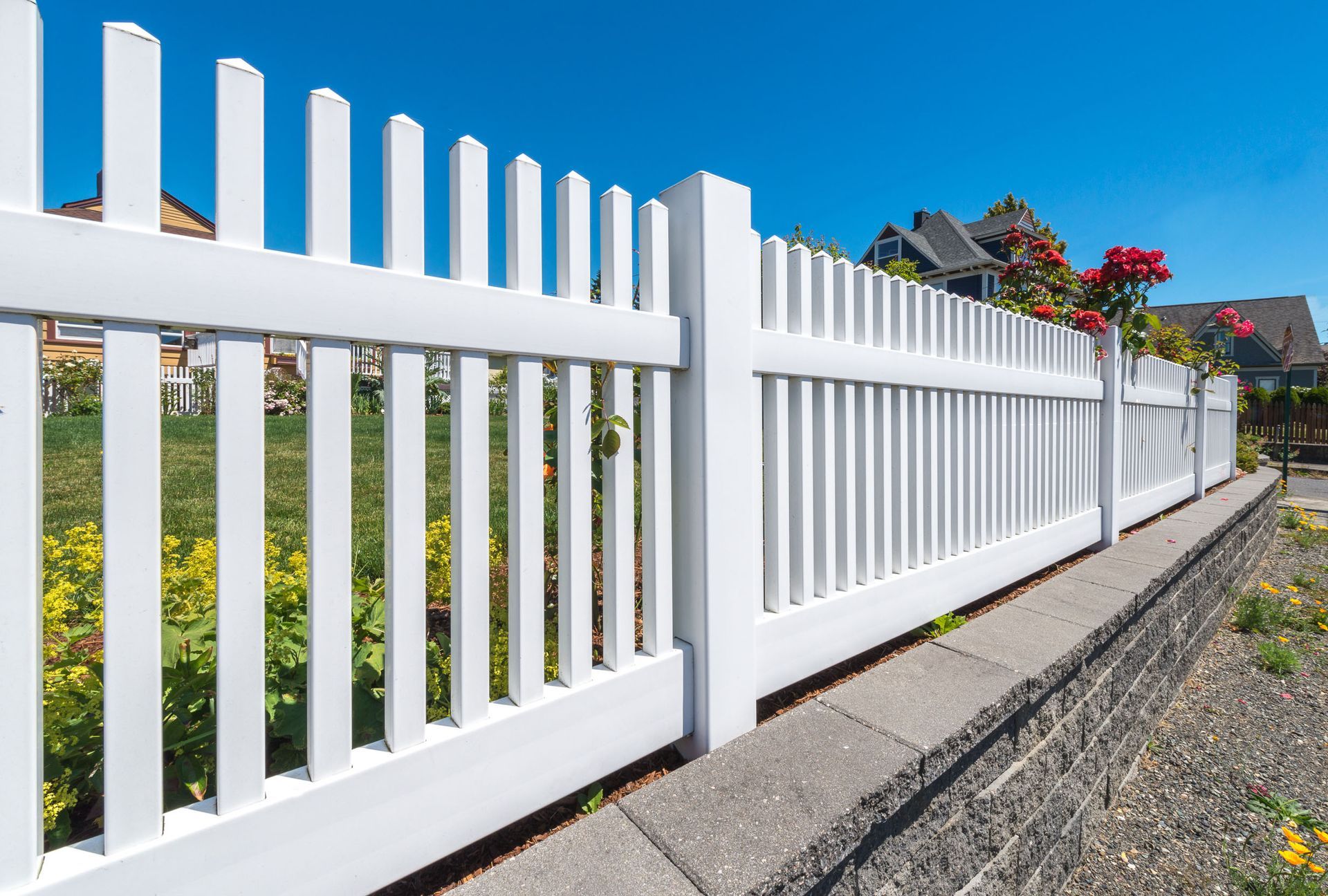
Assess the ongoing maintenance costs associated with different materials and how they fit into your budget. Regular upkeep can significantly impact the total cost of ownership over time. Wood, for example, might require regular staining or sealing, whereas vinyl simply needs occasional cleaning. Balancing aesthetics with practicality and price can guide you toward the most cost-effective decision. Factor in potential repairs or replacements as part of your long-term financial planning.
2.3 Potential Property Value Impact
Evaluate how the fence might increase or decrease the future resale value of your home. A well-maintained, attractive fence can boost curb appeal, sometimes leading to higher market value. However, installing a fence type not in harmony with neighborhood standards might deter potential buyers. Consulting a real estate professional can provide insights into local trends and expectations. This analysis can help you balance personal gains from the fence with long-term investment potential.
3. Installation Process
3.1 Hiring a Professional vs DIY
Decide whether to hire a professional installer or undertake the project as a do-it-yourself. Professional installers bring experience and an understanding of potential complications, often leading to faster completion. However, DIY projects can be fulfilling, providing personal satisfaction and cost savings if done correctly. Consider the complexity and scale of your project, as DIY may become more challenging for larger or more intricate fences. Balance your skill set, available time, and budget when making your decision.
3.2 Preparation Steps
Outline the necessary preparation steps for a successful installation, including site clearing and measurements. Adequate site prep creates a smooth, hassle-free installation process. Clearing vegetation and debris from the area is essential, as well as marking the exact fence line based on the property survey. Measuring accurately beforehand not only reduces material waste but also prevents costly mistakes. Planning these steps in consultation with your contractor can optimize efficiency.
3.3 Timeline
Estimate the time required for preparation, installation, and any post-installation work. Installation timelines can vary significantly based on fence type, property size, and unforeseen issues. Professional projects can often provide defined completion estimates, aiding in planning other activities around the house. Being realistic in your timeline helps manage expectations; remember, quality installation is preferable to rushed work. Leave flexibility for post-installation inspections and any final certifications required by local authorities.
3.4 Weather Considerations
Plan the installation process to avoid adverse weather conditions that could impact the work. Weather can delay progress, so monitoring forecasts and seasonal patterns can be beneficial. Extremes in temperature and precipitation can challenge the effectiveness of materials and adhesives. Planning around these can mitigate interruptions, creating a smoother installation. Coordinating with a contractor about possible rescheduling options due to weather changes can enhance project flexibility.
3.5 Common Challenges
Identify potential challenges during the installation process and how to overcome them. Ground conditions, such as rocky soil or uneven terrain, can require specialized equipment or adjustments. Coordinating between utility companies for underground line marks avoids accidental damage and costly repairs. Chain link fences are adaptable to uneven surfaces, but wood and metal might need precision placement adjustments. Addressing these challenges proactively can create a seamless installation process.
Selecting the right fence and carefully considering these factors before installation can lead to a rewarding and long-lasting addition to your property. Taking the time to plan and prepare can prevent costly mistakes and help your fence serve its intended purpose effectively. By evaluating the purpose, materials, costs, regulations, installation process, and maintenance requirements, you can make a well-informed decision that enhances your property's value and function while getting the most from your fence installations. Contact Linmoore Fencing & Iron Works, Inc today to learn more. Our team looks forward to helping you bring your vision to life.