May 1, 2026
Choosing between privacy fences and decorative fences depends on how a property is used, with some homeowners prioritizing security and seclusion while others focus on curb appeal and design consistency. In many cases, both needs overlap, which is why understanding materials, function, and long-term value is important before moving forward with fence installations. Privacy designs create enclosed outdoor spaces, while decorative options enhance a home’s visual identity. The differences go beyond appearance and include performance, durability, and cost, all of which shape long-term outcomes. Fence installations are increasingly customized, making it essential to match the choice with both practical needs and design goals.
Understanding Purpose and Functioning
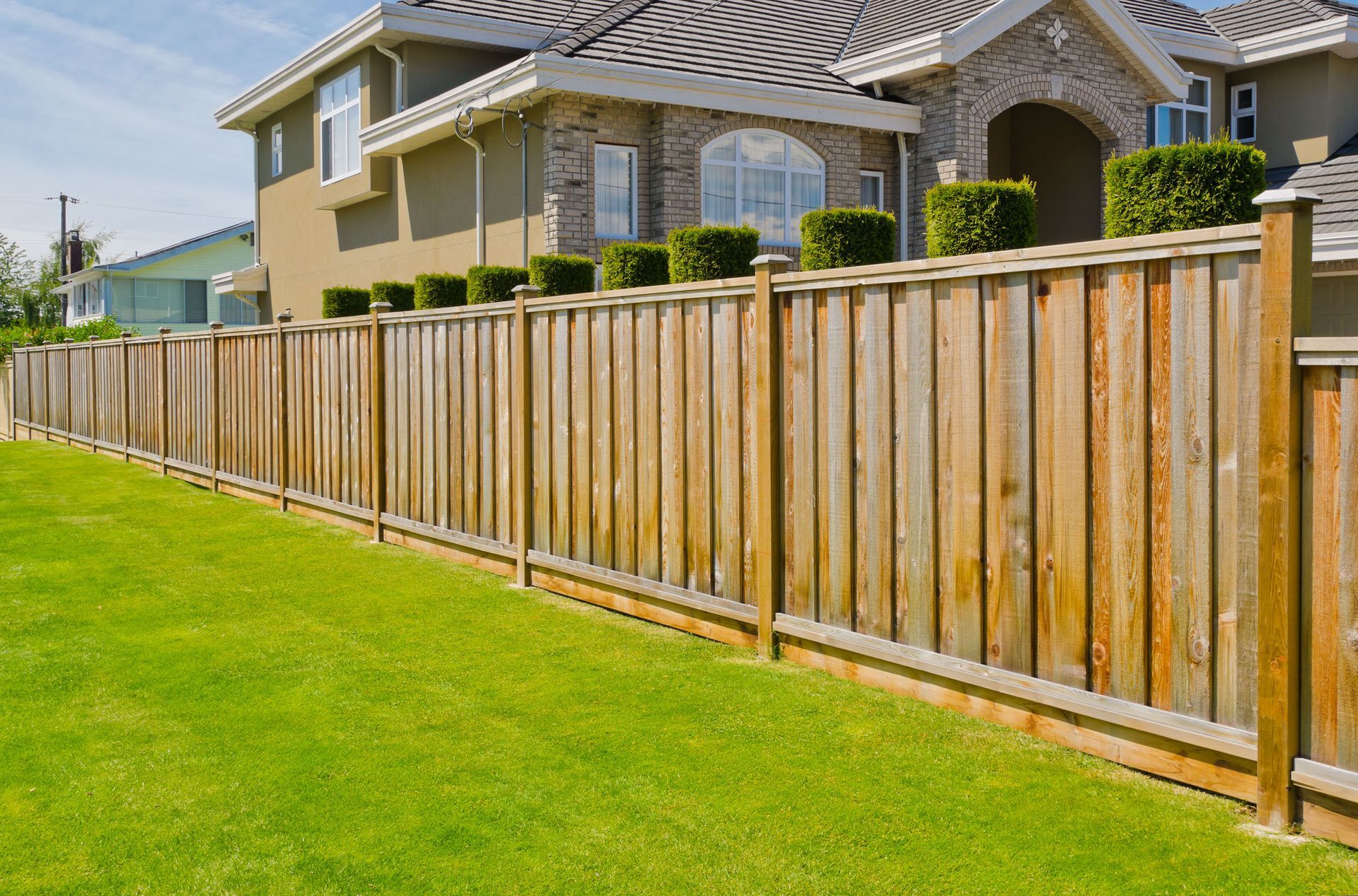
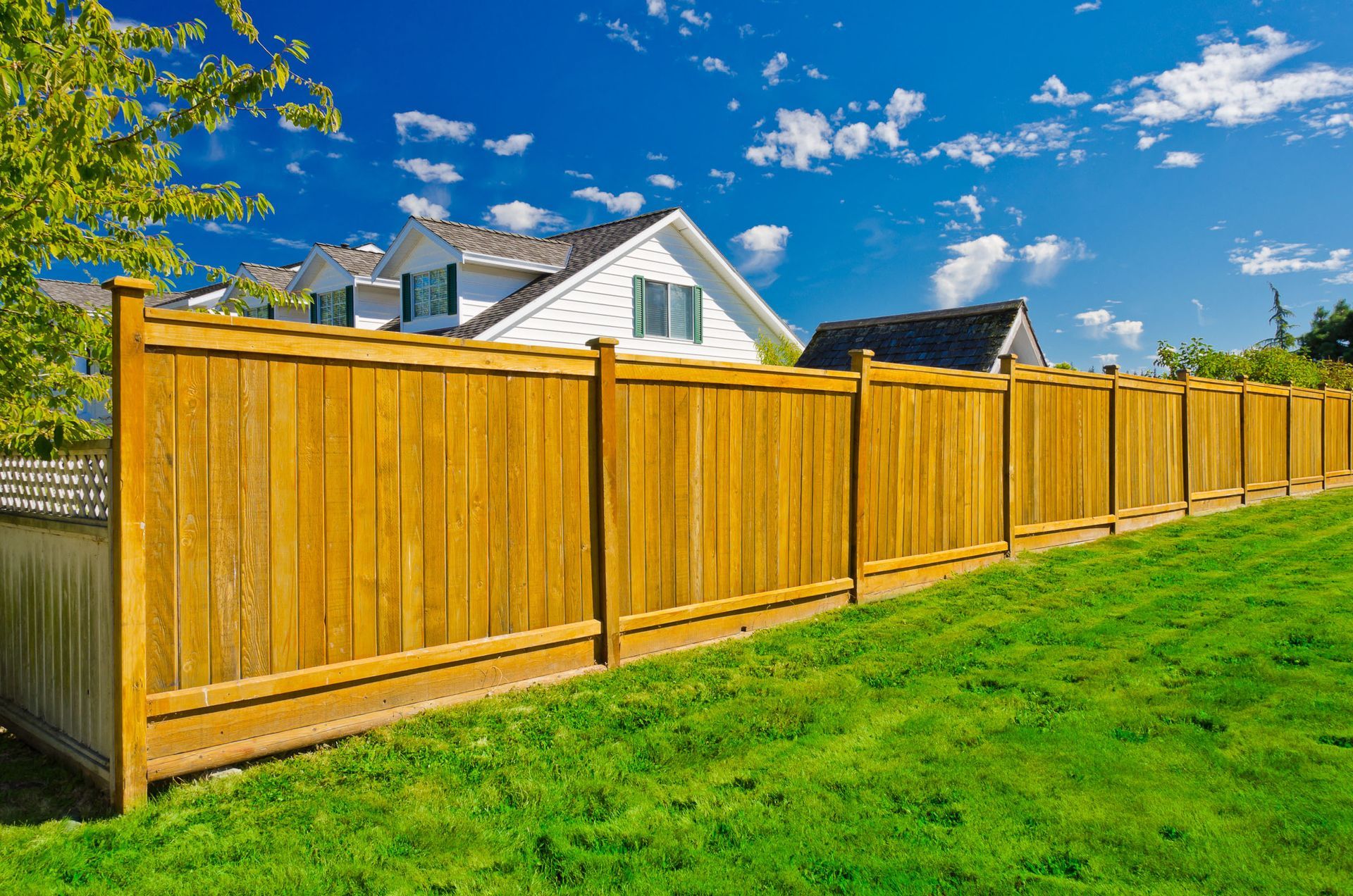
Privacy fences are primarily designed to create separation between a property and the outside environment. They are commonly used to block visibility, reduce exposure, and establish secure outdoor living areas. In most fence installations, these systems are chosen for homes located near busy streets, neighboring properties, or shared spaces. The result is a more controlled and private environment that supports everyday comfort.
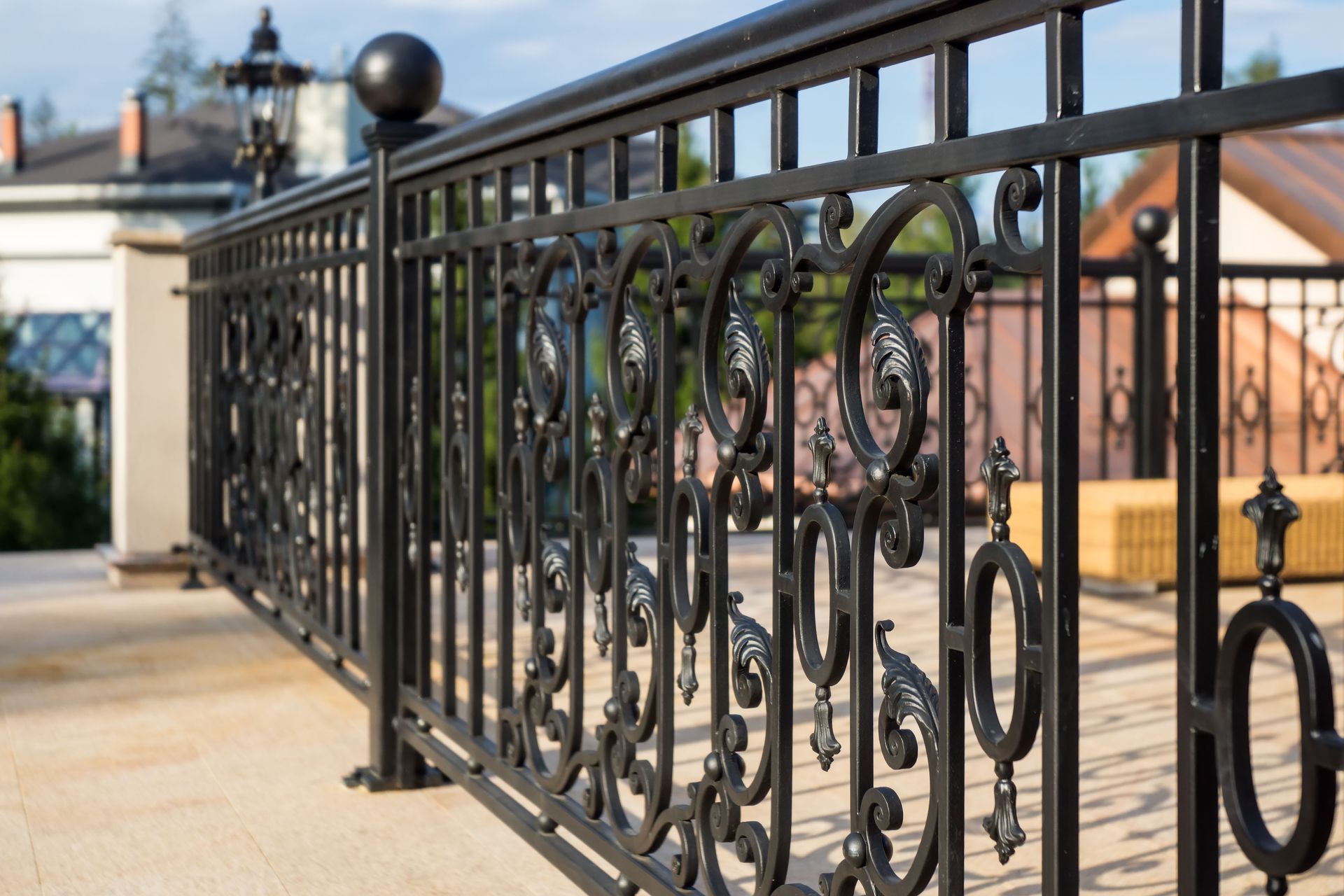
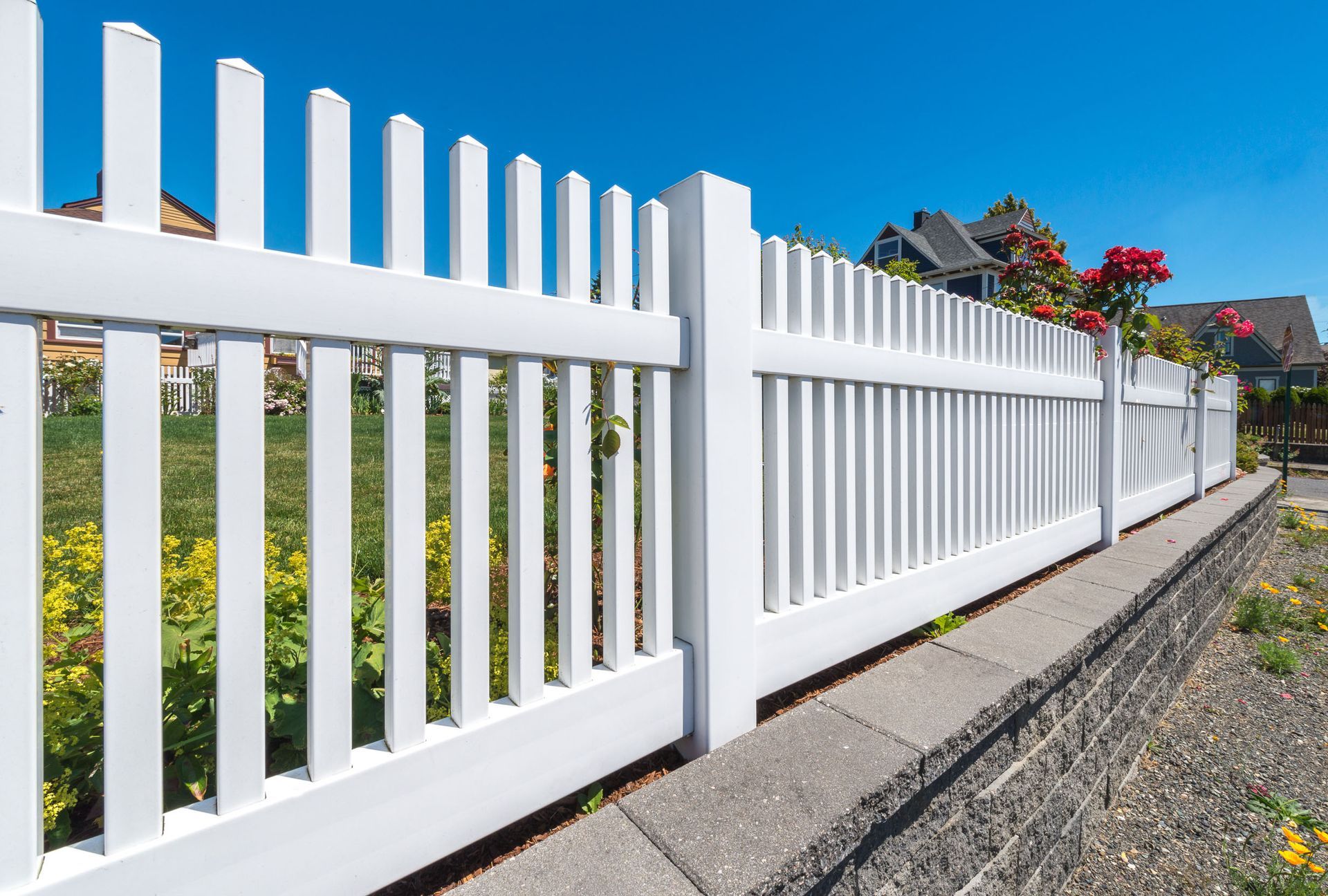
Decorative fences, on the other hand, are built to define boundaries without fully restricting visibility. Their purpose is more aligned with enhancing visual structure rather than creating complete enclosure. In many modern fence installations, decorative designs are used in front yards or gardens where aesthetics take priority. These fences often complement architectural styles rather than conceal outdoor spaces.
From a functional standpoint, privacy fencing supports lifestyle needs that require seclusion, while decorative fencing enhances presentation. Homeowners often choose based on how they intend to use their outdoor space on a daily basis. Fence installations in this category are less about limitation and more about intentional design direction. Both approaches serve distinct but equally valuable roles in property planning.
Comparing Security and Privacy Features
Security is one of the key differences between privacy and decorative fencing styles. Privacy fences provide stronger protection due to their height, solid structure, and limited visibility, making them common in fence installations where families, pets, or controlled access are priorities. They are designed to reduce exposure and discourage unauthorized entry, offering a more secure outdoor environment.
Decorative fences offer a lighter level of security, focusing more on defining boundaries than restricting access. In residential fence installations, they are often paired with additional features like cameras or lighting to improve overall safety. While privacy fencing creates a strong physical barrier, decorative fencing reinforces property lines and visibility awareness, and many homeowners combine both approaches in fence installations to balance security with openness.
Evaluating Aesthetic and Design Options
Aesthetic value plays a much larger role in decorative fencing than in privacy-focused designs. These fences often feature patterns, ornamental details, and architectural styling that enhance curb appeal, and in many fence installations they are chosen to complement landscaping and exterior finishes. The goal is to create a cohesive, visually appealing outdoor space that enhances the overall property design.
Privacy fences prioritize simpler designs with uniform panels and clean lines, focusing more on function than artistic detail. While still visually appealing, they are typically meant to blend into the background, though modern fence installations increasingly include textured finishes or mixed materials to improve appearance. Decorative fencing often becomes a focal point, and some fence installations now combine both styles to balance privacy with visual appeal.
Analyzing Materials and Durability Factors
Material selection plays a major role in how long a fence lasts and how much maintenance it requires. Privacy fences are commonly built with wood, vinyl, or composite materials because they offer strength and full coverage, and in many fence installations wood remains the most popular choice due to its versatility, durability, and customization options. Its natural look also makes it a strong fit for residential properties.
According to Forbes, wood is widely recognized as the most common material used for privacy fencing because of its balance of strength and flexibility, with a lifespan that can reach up to 20 years when properly maintained. This makes it a reliable option for long-term fence installations where both appearance and performance matter. Decorative fences, on the other hand, often use aluminum or wrought iron, which are selected for their ability to support detailed designs while maintaining durability, with aluminum offering low maintenance and iron providing a more traditional, long-lasting finish.
Considering Cost and Budget Implications
Cost is often one of the most influential factors when planning fence installations. Privacy fences generally require a higher upfront investment due to material volume and structural requirements. Taller panels and solid construction increase both material and labor costs. However, many homeowners consider this a long-term investment in comfort and security.
Decorative fences can vary widely in price depending on design complexity and material choice. Simpler designs are often more affordable, while custom ornamental work can significantly increase overall costs. In many fence installations, decorative options are chosen not just for appearance but also for budget flexibility. This allows homeowners to balance visual appeal with financial planning.
Long-term costs should also be considered, including maintenance, repairs, and potential replacements. Privacy fences made of wood may require periodic sealing or staining, while vinyl reduces ongoing maintenance expenses. Decorative fences, particularly metal designs, may require rust prevention or repainting over time. Proper planning in fence installations helps reduce unexpected long-term expenses.
Exploring Environmental and Maintenance Requirements
Maintenance expectations vary significantly between privacy and decorative fencing systems. Privacy fences, especially those made from wood, require routine upkeep to maintain structural integrity. In many fence installations, this includes cleaning, sealing, and occasional repairs to prevent weather damage. Vinyl and composite options reduce this workload but may come with higher initial costs.
Decorative fences generally require less frequent structural maintenance but may need aesthetic upkeep. Metal fencing can be prone to rust if not properly treated, while painted finishes may require periodic restoration. In decorative fence installations, maintenance is often focused on preserving appearance rather than structural repair. This makes them easier to manage in certain climates.
Environmental considerations are also becoming more important in fencing decisions. Sustainable materials, such as recycled composites or responsibly sourced wood, are increasingly used in modern fence installations. These choices reduce environmental impact while maintaining durability. Homeowners are now more aware of how material selection affects long-term sustainability.
Deciding Between Installing Privacy and Decorative Fences
The decision between privacy and decorative fencing ultimately depends on how the space will be used and what priorities matter most. Privacy fencing is ideal for homeowners seeking security, quiet, and enclosed outdoor living areas. Decorative fencing is better suited for those who want to enhance visual appeal while maintaining openness. In many fence installations, the best results come from combining both styles strategically across different parts of the property.
Lifestyle needs also play a major role in the decision-making process. Families with children or pets often lean toward privacy fencing for safety reasons. Meanwhile, homeowners focused on landscaping or architectural presentation may prefer decorative designs. Fence installations today are highly customizable, allowing both preferences to be integrated into a single cohesive plan.
It is also important to consider neighborhood standards and long-term property goals. Some communities favor uniform privacy fencing, while others encourage decorative designs to maintain visual consistency. Professional fence installations can help align these requirements with personal preferences, ensuring compliance without sacrificing design intent. This balance helps improve both functionality and property value.
Privacy fences and decorative fences each serve distinct but complementary roles in residential and commercial spaces. One focuses on protection and seclusion, while the other emphasizes style and visual structure. Understanding materials, cost implications, and maintenance requirements helps ensure better long-term decisions that align with property goals. Thoughtful planning around fence installations allows homeowners to achieve both practical function and aesthetic value without compromise. Linmoore Fencing & Iron Works, Inc